
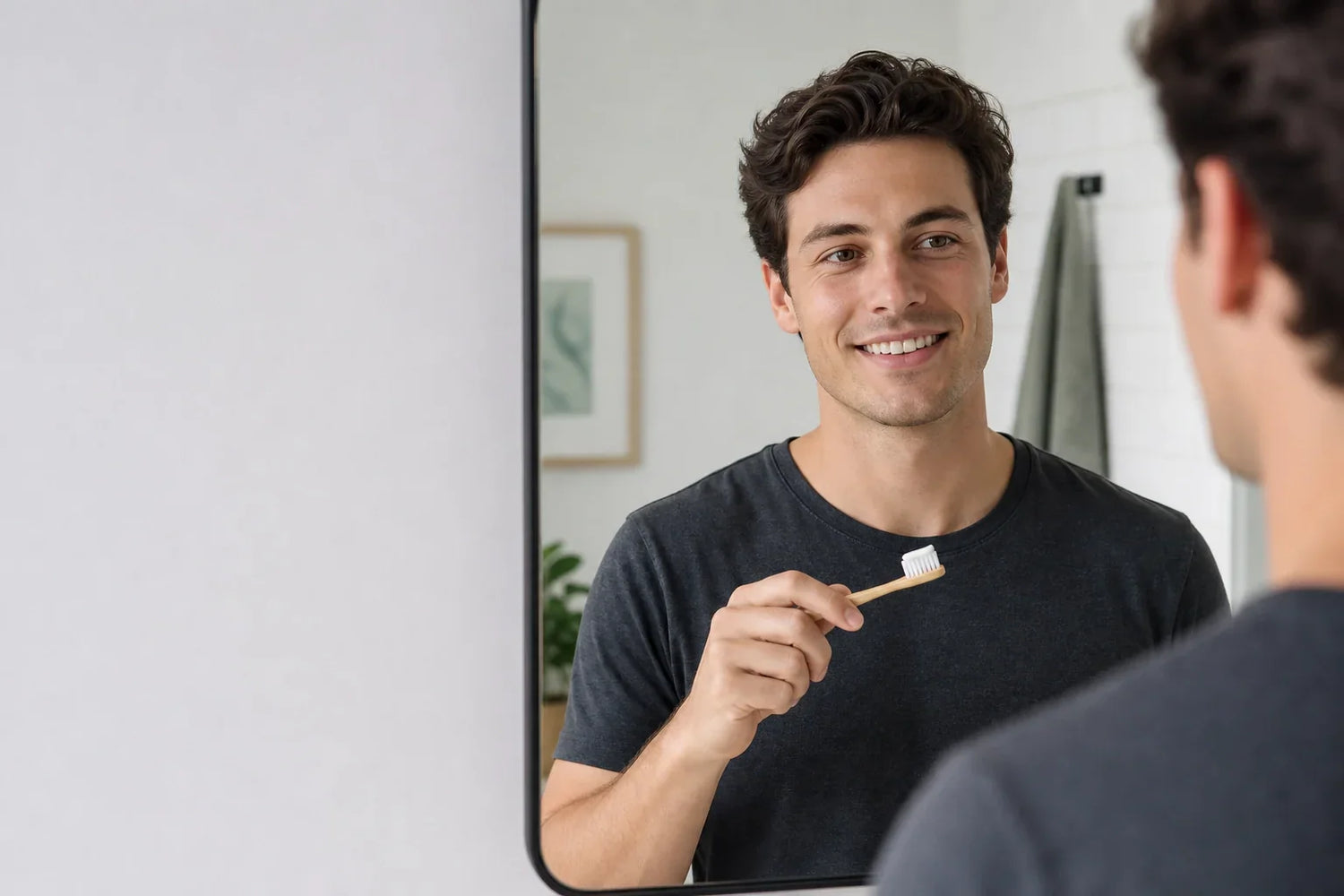
فرش الأسنان ذات الشعيرات الناعمة تنظف بنفس كفاءة الفرش الصلبة تمامًا — مع حماية مينا الأسنان واللثة. الإجماع السريري واضح: الناعم آمن وفعال وهو معيار الرعاية.
كيف يتم تعريف صلابة الشعيرات فعليًا
لا تشعر جميع فرش الأسنان بنفس الشعور، والسبب هو صلابة الشعيرات. يصنف المصنعون الفرش على أنها ناعمة جدًا، أو ناعمة، أو متوسطة، أو صلبة بناءً على قطر الشعيرة ومقاومتها للضغط. تستخدم جمعية طب الأسنان الأمريكية (ADA) اختبارًا معياريًا يقيس الصلابة بوحدة نيوتن/سم²؛ ولكي تحصل الفرشاة على ختم ADA، يجب ألا تتجاوز عتبة قوة محددة ويجب أن تكون آمنة لأنسجة الفم.
إليك مقارنة بين الفئات الرئيسية:
| الصلابة | قطر الشعيرة النموذجي | الإحساس وحالة الاستخدام | موقف ADA/المهنيين |
|---|---|---|---|
| ناعمة جدًا | ≤0.15 مم | لطيفة للغاية، للأسنان الحساسة، بعد الجراحة، الأطفال | موصى بها عندما تكون هناك حاجة لعناية إضافية |
| ناعمة | 0.16–0.20 مم | توصية قياسية لجميع الأعمار | موصى بها عالميًا للاستخدام اليومي |
| متوسطة | 0.21–0.25 مم | إحساس فرك أقوى، أحيانًا لإزالة البقع | غير موصى بها للاستخدام الروتيني؛ خطر تلف اللثة والمينا |
| صلبة | >0.25 مم | نادرًا ما توجد في المتاجر الحديثة؛ صلبة وكاشطة | غير موصى بها لأي عناية يومية بالفم |

إجماع أخصائيي الأسنان: لماذا تتفوق الناعمة دائمًا
تنصح جمعية طب الأسنان الأمريكية، والاتحاد العالمي لطب الأسنان (FDI)، وجميع أخصائيي الأسنان تقريبًا باستخدام فرشاة أسنان ذات شعيرات ناعمة. توصي ADA "بفرشاة أسنان ذات شعيرات ناعمة والضغط بلطف" لتقليل إصابة اللثة. وبالمثل، تذكر البوابة الإلكترونية للمستهلكين الخاصة بجمعية ADA ما يلي: “عندما يتعلق الأمر باختيار فرشاة الأسنان، فاختر الناعمة.”
هذا التوجيه ليس اعتباطياً، بل يستند إلى عقود من الأدلة التي تُظهر أن تآكل مينا الأسنان و انحسار اللثة يزدادان بشكل ملحوظ مع استخدام الشعيرات الأكثر صلابة. فالشعيرات الناعمة، خاصة عند دمجها مع تقنية تنظيف صحيحة، تعمل على تفكيك الغشاء الحيوي (البلاك) دون إزالة بنية السن أو إصابة أنسجة اللثة الرقيقة.
الضرر الخفي الذي تسببه الشعيرات الصلبة للثة والأسنان
تعمل فرشاة الشعيرات الصلبة حرفياً على كشط أكثر من مجرد البلاك، إذ وجدت مراجعة منهجية أن فرشاة الأسنان ذات الشعيرات الصلبة تسبب آفات لثوية أكثر بشكل ملحوظ مقارنة بالفرش ذات الشعيرات المتوسطة والناعمة. وبمرور الوقت، يمكن أن يؤدي هذا الضرر إلى:
- انحسار اللثة — حيث تنسحب اللثة للخلف، مما يعرض أسطح الجذور الحساسة
- فرط حساسية العاج — ألم حاد ناتج عن الأطعمة والمشروبات الساخنة أو الباردة أو الحلوة
- تآكل عنق السن — ظهور أخاديد عند خط اللثة، وغالباً ما تسمى آفات انفصالية (abfraction lesions)
- زيادة خطر تسوس جذور الأسنان — لأن أنسجة الجذر الأكثر ليونة تتآكل بشكل أسرع
حتى إذا لم تلاحظ ألماً فورياً، فإن الضرر يتفاقم بصمت.
تآكل المينا: كيف تتعاون صلابة الشعيرات والأحماض ضدك
يتضاعف الخطر عندما تلتقي الشعيرات الصلبة ببيئة فموية حمضية. فمينا الأسنان الذي تضعفه الحمضيات أو المشروبات الغازية أو حمض المعدة يصبح أكثر عرضة للتآكل الميكانيكي بشكل كبير. أظهرت دراسة مخبرية أجريت عام 2020 أن الفرشاة الصلبة مع قوى تنظيف عادية تسببت في أكبر فقدان لسطح المينا خلال دورات التآكل والتآكل الحمضي. وخلصت تلك الدراسة ذاتها إلى أنه: “لا يُنصح باستخدام الفرش الصلبة للمرضى الذين يعانون من تآكل الأسنان.”
فكر في الأمر بهذه الطريقة — بعد تناول مشروب حمضي، تصبح مينا أسنانك لينة مؤقتاً. فتقوم الفرشاة الصلبة بحفر السطح، بينما تنزلق فوقه الفرشاة الناعمة، مما يسمح بإعادة التمعدن.
الحالات النادرة التي قد تساعد فيها الشعيرات المتوسطة أو الصلبة (بحذر)
لا توجد أي مواقف تقريباً تكون فيها الفرشاة الصلبة هي الخيار الأول. وتحت إشراف متخصص، تُستخدم الفرش المتوسطة أحياناً من أجل:
- إزالة البقع الناتجة عن القهوة أو التبغ بكثافة (لفترة محدودة وبشكل مستهدف)
- تنظيف أطقم الأسنان القابلة للإزالة أو الأجهزة التقويمية (وليس على الأسنان الطبيعية أبداً)
في جميع هذه الحالات، يمكن استخدام فرشاة ناعمة مع معجون تلميع أو استخدام فرشاة أسنان كهربائية أكثر أمانًا وفعالية بنفس القدر. ما لم يصف لك طبيب أسنانك فرشاة أكثر صلابة تحديدًا، التزم بالناعمة.
هل تنظف الشعيرات الناعمة فعلاً؟ دليل إزالة البلاك
نعم — وأحيانًا أفضل حتى عندما تكون التقنية صحيحة. وجدت تجربة سريرية في عام 2024 أن كلا الفرشاة المتوسطة والناعمة قللت البلاك والتهاب اللثة بشكل كبير، وعلى الرغم من أن الفرش المتوسطة أظهرت إزالة بلاك أعلى قليلاً في تلك الدراسة، إلا أن المجموعة الناعمة حققت نتائج ممتازة دون أي ضرر للأنسجة. كما أشارت دراسة مختبرية حديثة أخرى إلى أن الفرش ذات الشعيرات الناعمة والمتوسطة وفرت فعالية تنظيف مماثلة بغض النظر عن قوة التنظيف خلال جلسة نموذجية مدتها دقيقتان.
الخلاصة الرئيسية: فعالية إزالة البلاك تعتمد بشكل أكبر بكثير على وقت وطريقة التنظيف وليس على صلابة الشعيرات.
لماذا تقنية تنظيفك أهم من نوع الشعيرات
حتى الفرشاة الناعمة يمكن أن تسبب ضررًا إذا فركت بعنف. إن تقنية باس المعدلة هي المعيار الذهبي:
- أمسك الفرشاة بزاوية 45 درجة لخط اللثة.
- استخدم حركات قصيرة ولطيفة ذهابًا وإيابًا — لا أعرض من سن واحد.
- دع أطراف الشعيرات تنزلق قليلاً تحت حافة اللثة لتفكيك البلاك.
- لا تضغط أكثر من وزن برتقالة.
- نظف جميع الأسطح الداخلية والخارجية وسطح المضغ لمدة دقيقتين كاملتين.

تسمح هذه الحركة للشعيرات الناعمة المستديرة بالمرونة وكنس البلاك دون إتلاف الأنسجة.
قائمة التسوق: ما الذي تبحث عنه في فرشاة أسنان ناعمة
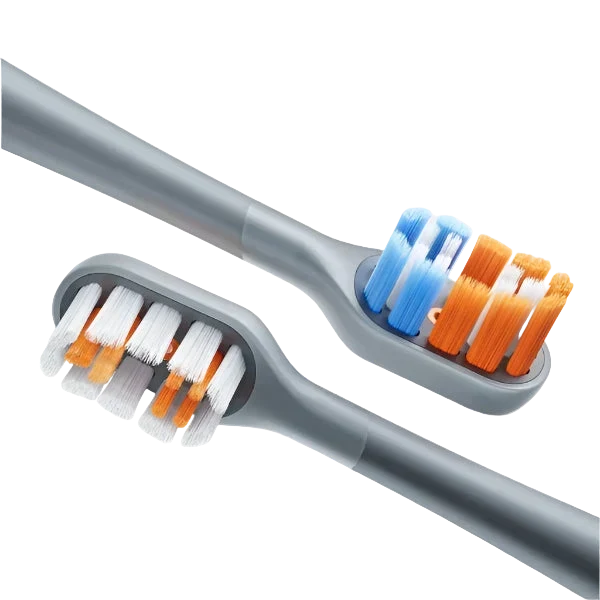
- أطراف شعيرات مستديرة ومصقولة — يمنع الجروح الدقيقة في اللثة وخدش المينا.
- خصلات متعددة المستويات أو مائلة — تصل إلى الشقوق بشكل أفضل من التصميمات المسطحة.
- رأس مضغوط — سهل المناورة، خاصة حول الأضراس الخلفية.
- ختم القبول من جمعية طب الأسنان الأمريكية — يضمن أن الفرشاة تلبي معايير السلامة والفعالية الصارمة.
- مقبض مريح غير قابل للانزلاق — يشجع على الإمساك الصحيح والتحكم في الضغط.
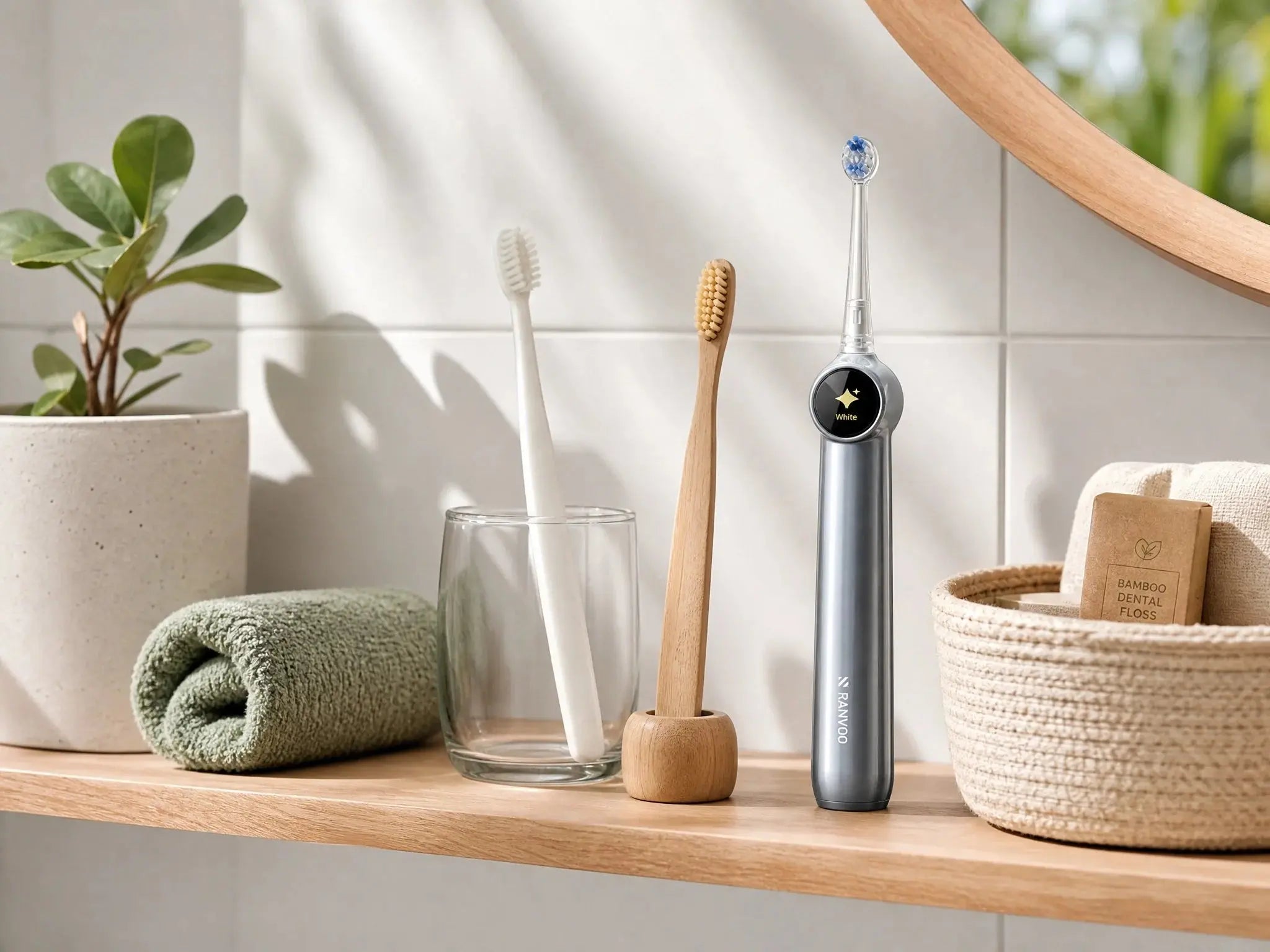
نموذج مثل RANVOO AirJet X5 فرشاة الأسنان الكهربائية تجسد هذه الميزات: رأس فرشاتها يستخدم شعيرات فائقة النعومة بسمك 0.01 ملم بمعدل استدارة 99.9%، وتصميم مضغوط يسهل الوصول، ومقبض محكم للإمساك الآمن — مما يجعله خيارًا خالٍ من القلق للثة الحساسة.
شعيرات فرشاة الأسنان الكهربائية: أكثر أمانًا؟
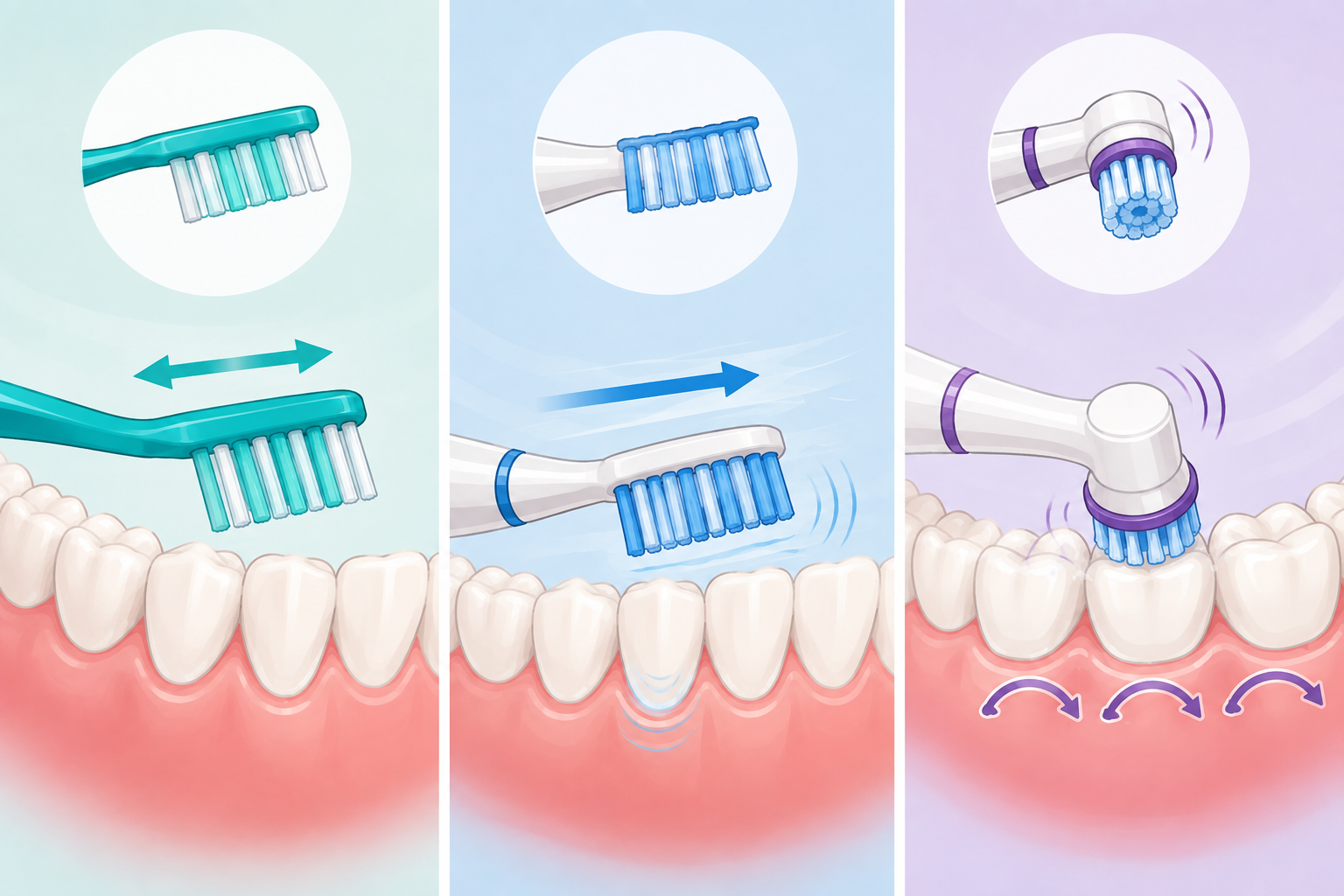
معظم رؤوس فرش الأسنان الدوارة المتأرجحة والصوتية مصنوعة من شعيرات ناعمة أو فائقة النعومة بشكل افتراضي. تشتمل العديد من الطرازات أيضًا على مستشعر ضغط ينبهك إذا كنت تضغط بشدة. هذا الضمان المدمج يجعل الفرشاة الكهربائية خيارًا ممتازًا إذا كنت تواجه صعوبة في التنظيف بالضغط الشديد.
الفرشاة اليدوية الناعمة تعمل بشكل جيد تمامًا، لكن الخيارات الكهربائية يمكن أن تساعد في فرض الضغط الخفيف ومدة الدقيقتين التي توصي بها الدراسات السريرية. على سبيل المثال، تجمع RANVOO AirJet X5 بين شعيرات فائقة النعومة بسمك 0.01 ملم ووضع اهتزاز منخفض التردد يبلغ 22,000 اهتزازة في الدقيقة وحركة تنظيف دقيقة بزاوية 12 درجة — مما يوفر إزالة فعالة للبلاك (بنسبة 97%) مع حماية اللثة من التآكل بنشاط. تخلق تقنية Super Bubble 2.0 قوى هيدروديناميكية لطيفة تنظف الفراغات بين الأسنان دون فرك قاسٍ.
إجراء التغيير: كيف تشعر بالنظافة الحقيقية بفرشاة ناعمة
إذا كنت معتادًا على الإحساس بـ"النظافة بالفرك"، فقد تبدو الفرشاة الناعمة غريبة في البداية. هذا وهم حسي، وليس علامة على ضعف التنظيف. تؤكد ADA أن "معجون أسنانك المحتوي على الفلورايد سيقوم بالباقي" — الفرشاة مجرد وسيلة توصيل.
جرب هذه الخطوات العملية:
- استخدم معجون أسنان بنكهة منعشة — بالنعناع أو خفيف، يعزز الإحساس بالنظافة.
- جرب أقراص كشف البلاك مرة واحدة في الأسبوع — تلطخ البلاك المتبقي وتثبت أن الفرشاة تعمل.
- اضبط مؤقتًا لمدة دقيقتين — الاتصال اللطيف الأطول يعوض التآكل المنخفض.
- استبدل الفرشاة كل 3-4 أشهر — تتشقق الشعيرات الناعمة بشكل أسرع، وهي إشارة مرئية للاستبدال.
- أضف تنظيف ما بين الأسنان — الخيط أو أجهزة تنظيف الأسنان بالماء تعالج المناطق التي لا تصل إليها أي شعيرة.

عندما تجمع بين الشعيرات الناعمة والتقنية المتسقة والعقلية الصحيحة، ستحافظ على صحة أسنانك ولثتك مدى الحياة. الأدلة واضحة: الناعم ليس حلاً وسطًا — إنه الطريقة الأذكى للتنظيف.


اترك تعليقًا
This site is protected by hCaptcha and the hCaptcha Privacy Policy and Terms of Service apply.