
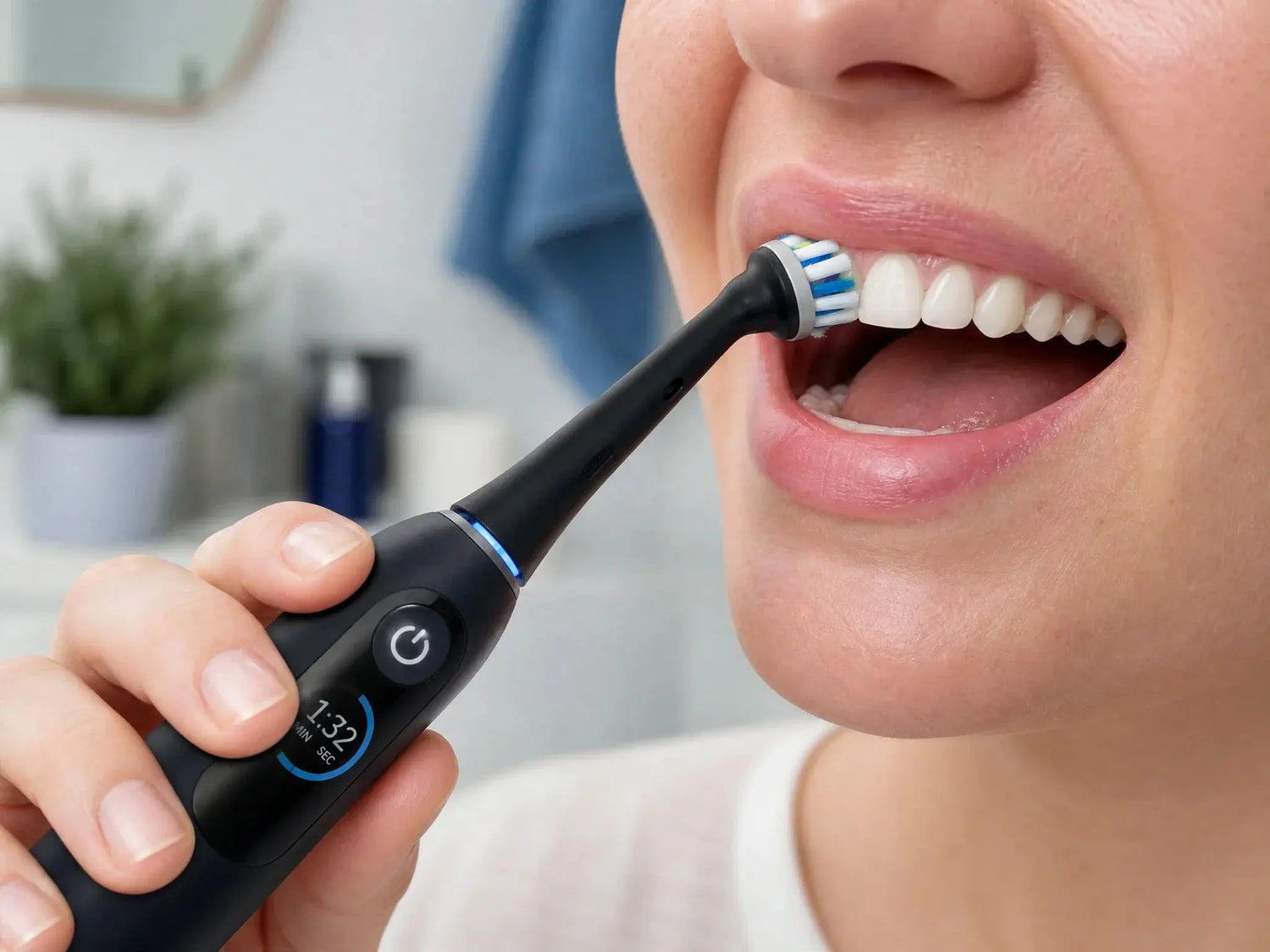
باختصار: نعم، فرشاة الأسنان الكهربائيةتتفوق باستمرار على الفرشاة اليدوية في إزالة البلاك وتحسين صحة اللثة. وجدت مراجعة كوكران الرائدة أنها تقلل البلاك بنسبة 21% والتهاب اللثة بنسبة 11% بعد ثلاثة أشهر، بفضل التصميم الذكي والتغذية الراجعة المدمجة. لكن الفرشاة اليدوية يمكن أن تعمل بشكل رائع إذا أتقنت التقنية - كما أنها أخف على محفظتك والكوكب.
ماذا يكشف العلم: الكهربائية مقابل اليدوية في إزالة البلاك
التجارب السريرية والتحليلات التلوية لا تترك مجالاً للشك: فرش الأسنان الكهربائية تمنحك فماً أنظف. الأرقام ليست تسويقاً غامضاً؛ إنها مستمدة من عقود من الأبحاث المستقلة.
| الدراسة / التحليل التلوي | تقليل البلاك (مقارنة باليدوية) | تقليل التهاب اللثة | الإطار الزمني |
|---|---|---|---|
| مراجعة كوكران (2014) | 11% على المدى القصير / 21% على المدى الطويل | 6% على المدى القصير / 11% على المدى الطويل | 1-3 أشهر / 3+ أشهر |
| ملخص Dental Health.org | ~21% تقليل أكبر | ~11% تقليل أكبر | 3+ أشهر |
| التحليل التلوي (Grender et al.) | أفضل بشكل ملحوظ (فرش OR) | أفضل بشكل ملحوظ | 8-24 أسبوعاً |
هذه ليست مكاسب هامشية. مراجعة كوكران المنهجية لـ 56 تجربة خلصت إلى أن فرش الأسنان الكهربائية تحقق فائدة ذات دلالة إحصائية في إزالة البلاك - سواء على المدى القصير أو الطويل. وكما تلخص منظمة صحة الأسنان، يكون التأثير أكثر وضوحاً مع رؤوس الفرشاة الدوارة المتأرجحة .
كيف تزيل فرش الأسنان الكهربائية المزيد من البلاك
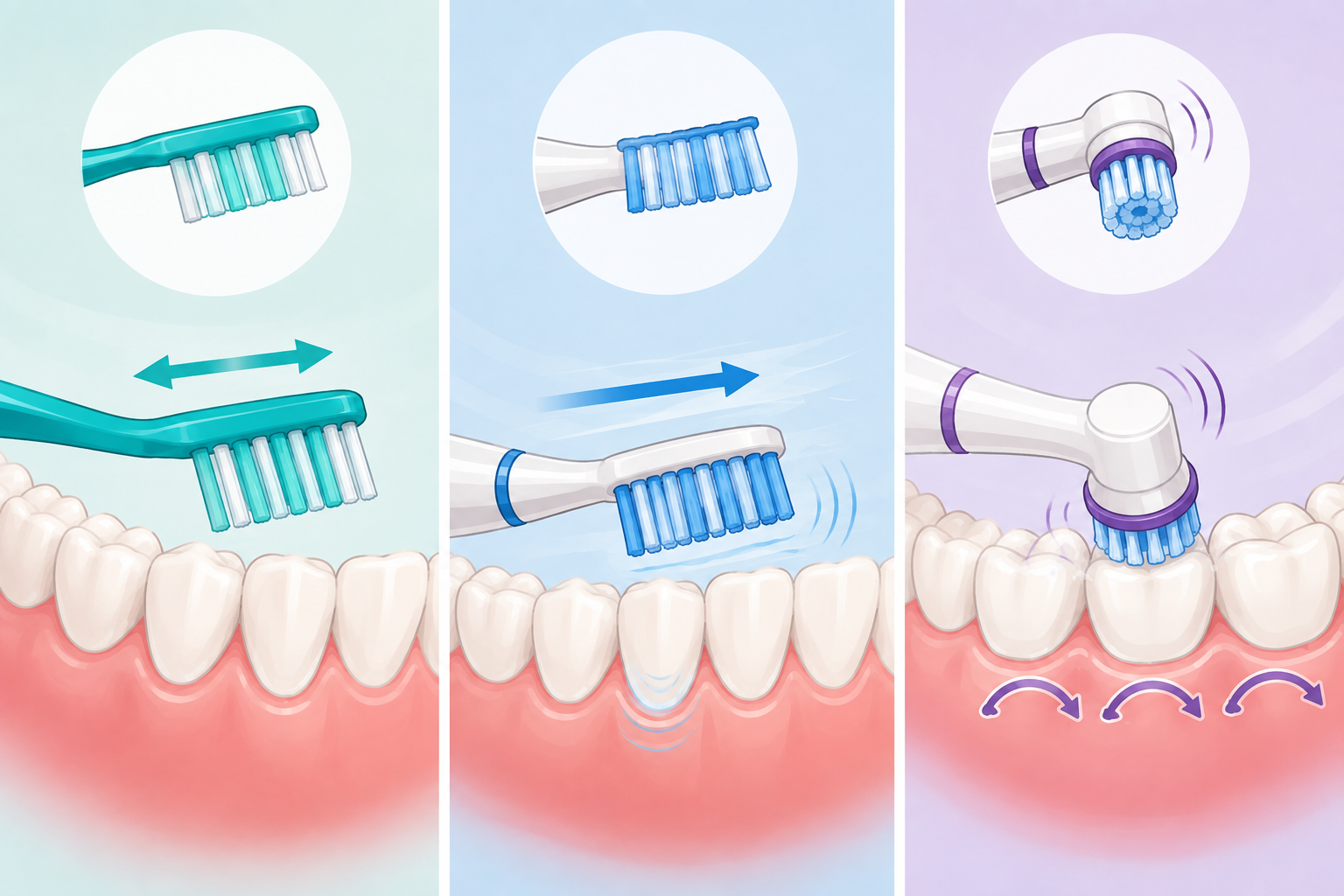
تقوم تقنيتان رئيسيتان بالعمل الشاق. أجهزة الدوران التذبذبي (O-R) تقوم بنماذج تدور برأس صغير دائري يحتضن كل سن، محاكيةً كأس البوليش الاحترافي لدى طبيب الأسنان. الفرش الصوتية تهتز الفرش الصوتية من جانب إلى آخر بتردد عالٍ، مما يعمل على تحريك السوائل لإزالة البلاك حتى خارج أطراف الشعيرات. مؤخرًا، ظهرت فئة ثالثة: فرش أسنان بنفث الفقاعات تستخدم الفقاعات الدقيقة وديناميكا السوائل للاختراق العميق بين الأسنان، وإزالة البلاك حيث لا تصل الشعيرات. على سبيل المثال، RANVOO AirJet X5 تنتج فقاعات نانوية فائقة الشحن تعمل على طرد الحطام من الفراغات بين الأسنان وتحت خط اللثة — مدعومة بكفاءة تنظيف معتمدة من المستوى الأول مع معدل إزالة بلاك بنسبة 99.9%. يجمع هذا النهج بين لطف الماء وتغطية الحركة الصوتية، مما يجعله فعالًا بشكل خاص للملامسات الضيقة وأجهزة تقويم الأسنان.
إليك ما تبدو عليه الأرقام بمرور الوقت في الاستخدام الواقعي:
- بعد شهر واحد: إزالة بلاك أكثر بنسبة ~11% مقارنة بالتنظيف اليدوي
- بعد 3 أشهر: إزالة بلاك أكثر بنسبة ~21%
- تحسن التهاب اللثة بنسبة تصل إلى 11% بعد 3 أشهر
“تقلل فرش الأسنان الكهربائية من البلاك والتهاب اللثة أكثر من التنظيف اليدوي على المدى القصير والطويل.” — مؤلفو مراجعة كوكران
حقيقة الفرشاة اليدوية: التقنية أكثر من التكنولوجيا
يمكن أن تكون الفرشاة اليدوية فعالة للغاية — ولكن فقط مع تقنية مثالية. المشكلة؟ معظم الناس لا يتعلمونها أبدًا، وحتى أقل منهم يمارسونها باستمرار.
المعيار الذهبي هو تقنية باس المعدلة:
- ضع الفرشاة بزاوية 45 درجة على خط اللثة.
- قم باهتزاز الفرشاة بلطف ذهابًا وإيابًا بحركات قصيرة بعرض السن.
- قم بتغطية جميع الأسطح الخارجية والداخلية وأسطح المضغ.
- لا تفرك بعنف؛ دع أطراف الشعيرات تقوم بالعمل.
- اقضِ دقيقتين كاملتين — وكثير من الناس لا يتجاوزون 45 ثانية.
الأخطاء الشائعة: التنظيف بقوة شديدة، تخطي خط اللثة، استخدام حركات تنظيف أفقية طويلة. هذه الأخطاء تترك البلاك خلفها وقد تضر باللثة. تعوض الفرش الكهربائية معظم ذلك بمؤقتات وأجهزة استشعار للضغط وتصميمات رأس محسّنة.

لماذا قد تتوقف صحة لثتك على هذا الاختيار الواحد
البلاك لا يسبب التسوس فقط؛ بل هو المحفز الأساسي لـ التهاب اللثة، وهو نزيف وتورم اللثة الذي يمكن أن يتطور إلى التهاب دواعم السن وفقدان الأسنان. الفرش الكهربائية لا تكشط الأسنان فقط — بل تحمي بنشاط الأنسجة التي تثبتها في مكانها.
كيف تنقذك أجهزة استشعار الضغط من الإفراط في التنظيف
التنظيف بحماس شديد هو سبب شائع لـ انحسار اللثة، حيث ينحدر خط اللثة ويكشف أسطح الجذور الحساسة. وبمجرد انحسار اللثة، لا تنمو مرة أخرى.
تتضمن العديد من الفرش الكهربائية الآن أجهزة استشعار الضغط التي تضيء، أو تغير الاهتزاز، أو حتى تتوقف تلقائيًا عند الضغط الزائد. إنها شبكة أمان بسيطة لا تقدمها الفرش اليدوية. ولكن هناك حل آخر، ربما أكثر أناقة، وهو استخدام فرشاة مصممة من الأساس لتكون لطيفة. على سبيل المثال، تعمل RANVOO AirJet X5بسرعة 22,000 ضربة فقط في الدقيقة مع اهتزاز دقيق بزاوية 12 درجة — وهي أقل بكثير من 30,000-66,000 ضربة الشائعة في العديد من الفرش الكهربائية. هذا التردد المنخفض، مع شعيرات دوبونت الناعمة وظهر مطلي بالمطاط، يقلل بطبيعته من خطر إصابة اللثة مع إزالة البلاك بفعالية عبر قوة الفقاعات. لذا تحصل على الحماية دون الحاجة إلى جهاز استشعار لملاحظة الأخطاء — التصميم نفسه يمنع الضرر الناتج عن الإفراط في التنظيف.
ملاحظة طبيب الأسنان: يمكن عكس تهيج اللثة الخفيف الناتج عن الإفراط في التنظيف إذا خففت الضغط مبكرًا. لكن انحسار اللثة — هذا فقدان دائم للأنسجة. جهاز استشعار الضغط أقل عناية بالتنظيف وأكثر عناية بمنع الضرر الذي ستندم عليه لاحقًا. فرشاة تقلل القوة بشكل طبيعي، مثل AirJet X5، تمنحك راحة البال هذه من البداية.
هل يمكن لفرشاة الأسنان أن تحسن الدورة الدموية وتوقف النزيف فعليًا؟
نعم. تقليل البلاك وتدليك خط اللثة بتحفيز لطيف ومستمر يحسن تدفق الدم الموضعي ويقلل الالتهاب. أظهر تحليل كوكرين انخفاضًا بنسبة 11% في التهاب اللثة بعد 3 أشهر أو أكثر — مما يعني نزيفًا أقل عند الفحص وأعماق جيوب لثوية أكثر صحة. من الناحية العملية، سترى لثة أكثر وردية وتماسكًا لا تنزف عند استخدام خيط الأسنان.
متى تكون فرشاة الأسنان الكهربائية الخيار الأفضل بوضوح
بعض الحالات تجعل التحول من اليدوية إلى الكهربائية خيارًا بديهيًا تقريبًا.
للأطفال وكبار السن وأي شخص يعاني من محدودية الحركة
تقوم الفرش الكهربائية بمعظم العمل الذي يتطلب براعة يدوية. ستستفيد أكثر إذا كنت تواجه صعوبة في:
- التهاب المفاصل أو ألم في اليد/الرسغ
- محدودية نطاق حركة الكتف أو الكوع
- قصر فترة الانتباه (الأطفال الذين يسرعون في التنظيف)
- إعاقات النمو أو الذهنية التي تؤثر على التنسيق
إذا كنت ترتدي تقويمًا للأسنان أو زرعات أو تيجانًا
تحبس أجهزة تقويم الأسنان والترميمات البلاك في زوايا يصعب الوصول إليها. تتفوق الفرش الكهربائية هنا. يوصي أطباء تقويم الأسنان بها لأن:
- رؤوس O-R الصغيرة المستديرة تنظف حول الأقواس وتحت الأسلاك بسهولة أكبر بكثير من الفرشاة اليدوية.
- يساعد الاهتزاز الصوتي في طرد البقايا من المسافات بين الأسنان حول الزرعات والتيجان.
- إنها تقلل من خطر آفات بيضاء وتسوس أثناء علاج تقويم الأسنان.
عندما يشخّص طبيب الأسنان مرض اللثة المبكر
إذا كنت تظهر عليك بالفعل علامات التهاب اللثة، يمكن للفرشاة الكهربائية أن تساعدك على عكس ذلك قبل أن يتحول إلى التهاب دواعم السن. المدمج مؤقتات الدقيقتين مع مؤقتات الأرباع الثلاثين ثانية تبسّط التغطية الشاملة، حتى لا يتم إهمال أي منطقة.
"أوصي دائمًا بفرش الأسنان الكهربائية المزودة بمؤقتات مدمجة. تخبرك هذه الميزة المفيدة بالمدة التي يجب أن تنظف فيها أسنانك، وبعضها يخبرك حتى بموعد تبديل الأرباع." — ويتني ديفوجيو، أخصائية صحة الأسنان، عبر AOL.com

أين تظل الفرش اليدوية متفوقة
توازن صادق: الكهربائية ليست دائمًا الخيار الذكي الوحيد.
العناية بالفم الصديقة للبيئة وصفر نفايات بطاريات
تنتج الفرش اليدوية نفايات إلكترونية أقل. فرشاة الخيزران اليدوية الأساسية قابلة للتحلل بالكامل (باستثناء الشعيرات)، بينما تتطلب نظيراتها الكهربائية إعادة تدوير بطاريات الليثيوم أيون واستبدال رؤوس الفرش البلاستيكية كل 3 أشهر. الكهربائية القابلة لإعادة الشحن أفضل من الأحادية الاستخدام التي تعمل بالبطاريات، لكن لا يزال لديها بصمة تصنيع أكبر.
نصيحة الاختيار الأكثر خضرة: إذا اخترت اليدوية، ابحث عن مقبض من الخيزران مع شعيرات خالية من BPA. أو، إذا بقيت على الكهربائية، اختر علامة تجارية تقدم برنامج إعادة تدوير للرؤوس والمقابض المستخدمة. على سبيل المثال، تستخدم RANVOO AirJet X5 بطارية قابلة لإعادة الشحن متينة (Type-C، عمر 30 يومًا) وتتميز بتصميم مضاد للعفن مع حامل حائط مغناطيسي — مما يقلل الحاجة إلى حلول تخزين قابلة للاستخدام مرة واحدة ويحافظ على جفاف فرشاتك بين الاستخدامات، مما يطيل عمرها الافتراضي ونظافتها.
عندما تكون الميزانية هي اهتمامك الأساسي
التكلفة الأولية ليست الصورة الكاملة. إليك نظرة على تكلفة 3 سنوات:
| نوع فرشاة الأسنان | التكلفة الأولية | الرؤوس البديلة (3 سنوات) | إجمالي تكلفة 3 سنوات |
|---|---|---|---|
| يدوية رخيصة (استبدال كل 3 أشهر) | 2 دولار لكل واحدة | 24 دولارًا (12 فرشاة) | $24 |
| كهربائية للمبتدئين (مثل Oral-B Pro 1000) | $50 | 75 دولارًا (9 رؤوس بحوالي 25 دولارًا/عبوة من 2) | $125 |
| كهربائية فاخرة (مثل سلسلة iO) | $200+ | $150+ | $350+ |
الكهربائية تكلف أكثر، لكن ضع في اعتبارك أن تجنب تسوس واحد أو علاج لثة يمكن أن يوفر المئات — وانخفاض البلاك بنسبة 21% يقلل المخاطر بشكل كبير. بالنسبة للكثيرين، تميل الحسابات نحو الكهربائية عند أخذ الفواتير الطبية في الاعتبار.
كيف تختار فرشاة الأسنان الكهربائية المناسبة لاحتياجاتك الشخصية
ليست كل الفرش الكهربائية متساوية. ركز على ما يحسن التنظيف حقًا، ثم قرر أي الإضافات ستستخدمها فعليًا.
غير قابل للتفاوض: المؤقِّتات، وأجهزة استشعار الضغط، وأنواع رؤوس الفرشاة
- مؤقِّت لمدة دقيقتين مع منظم السرعة الرباعي: غير قابل للتفاوض. ستفرش أسنانك للوقت الكامل دون تخمين.
- جهاز استشعار الضغط: أمر لا بد منه لأي شخص يميل إلى الفرك بقوة. يحمي اللثة.
- شعيرات ناعمة أو فائقة النعومة: توصي جمعية طب الأسنان الأمريكية بالشعيرات الناعمة لحماية المينا واللثة.
- شكل رأس الفرشاة: تحتضن الرؤوس المستديرة الدوارة كل سن — مدعومة بأدلة أقوى قليلاً على إزالة البلاك. قد تبدو الرؤوس الصوتية المستطيلة أكثر أُلفة وتغطي مساحة أكبر في كل تمريرة. كلاهما يتفوق على الفرشاة اليدوية، فاختر الشكل الذي ستستخدمه باستمرار.
لأولئك الذين يرغبون في تنظيف أعمق دون احتكاك قاسٍ، فكِّر في فرشاة نفاثة الفقاعات مثل RANVOO AirJet X5. تستخدم تقنية SuperNano Bubble 2.0 فقاعات دقيقة وطاقة السوائل لتنظيف ما بين الأسنان بقوة تنظيف بين الأسنان تعادل 2.4 ضعفًا من الطرازات السابقة. رؤوس الفرشاة مصنوعة من شعيرات DuPont الناعمة مع ظهر مطاطي، وتتميز المقبض بمعيار IPX7 للعزل المائي، وبطارية تدوم 30 يومًا، وحامل جداري مغناطيسي يمنع نمو العفن — تفاصيل مدروسة إذا كنت قد عانيت من قبل من حامل فرشاة رطب وعرضة للبكتيريا.
إضافات ذكية: عمر البطارية، وأكياس السفر، والاتصال بالتطبيق
| ضروري | من الجيد امتلاكه |
|---|---|
| بطارية موثوقة (أكثر من 10 أيام) | عمر بطارية يزيد عن 40 يومًا |
| تصميم بسيط ومتين | حقيبة سفر فاخرة مع شاحن |
| وضعان للتنظيف (تنظيف يومي، حساس) | ستة أوضاع، وتطبيق مع خريطة تنظيف ثلاثية الأبعاد |
| رؤوس استبدال يسهل العثور عليها | خدمة الاشتراك في رؤوس الفرشاة |
يمكن أن يكون الاتصال بالتطبيق محفزًا حقًا للبعض، لكن المؤقِّت والتقنية الجيدة يحققان 90٪ من الفائدة. لا تدفع مقابل أجهزة استشعار لن تفتحها أبدًا.
الخلاصة: هل الفرشاة الكهربائية أفضل بالنسبة لك?
استخدم مسار القرار البسيط هذا:
- إذا كنت تعاني من التهاب اللثة، أو تقويم الأسنان، أو الغرسات السنية، أو التهاب المفاصل، أو ارتفاع خطر تسوس الأسنان → احصل على فرشاة أسنان كهربائية مع مستشعر ضغط ومؤقِّت. تظهر الأدلة أنك سترى أسنانًا أنظف ولثة أكثر صحة. إذا كانت لثتك حساسة بشكل خاص، ففكِّر في فرشاة نفاثة الفقاعات مثل RANVOO AirJet X5 — توفر اهتزازاتها الدقيقة منخفضة التردد وتنظيف الفقاعات إزالة البلاك من المستوى الأول دون قسوة الاهتزازات عالية السرعة.
- إذا قال طبيب أسنانك إن صحة لثتك ممتازة، وتنظف أسنانك بشكل مثالي لمدة دقيقتين مرتين يوميًا، وتفضل روتينًا منخفض النفايات ومنخفض التكلفة ← الفرشاة اليدوية ذكية تماماً. التزم بها.
- إذا كنت في المنتصف ← فرشاة كهربائية للمبتدئين (بسعر 30-50 دولارًا) مع مستشعر ضغط ومؤقت هي الترقية الأكثر تأثيرًا التي يمكنك القيام بها لصحة فمك — وغالبًا ما تدفع ثمنها من خلال الوقاية من المشاكل.
جملة واحدة لتختصر: تزيل الفرشاة الكهربائية المزيد من البلاك بجهد أقل، وتحمي لثتك من الإفراط في التنظيف، وتجعل العادة بأكملها أسهل في الأداء الصحيح—ولكن إذا كانت تقنيتك مثالية بالفعل، فإن الفرشاة اليدوية لا تزال خيارًا صالحًا وصديقًا للبيئة.
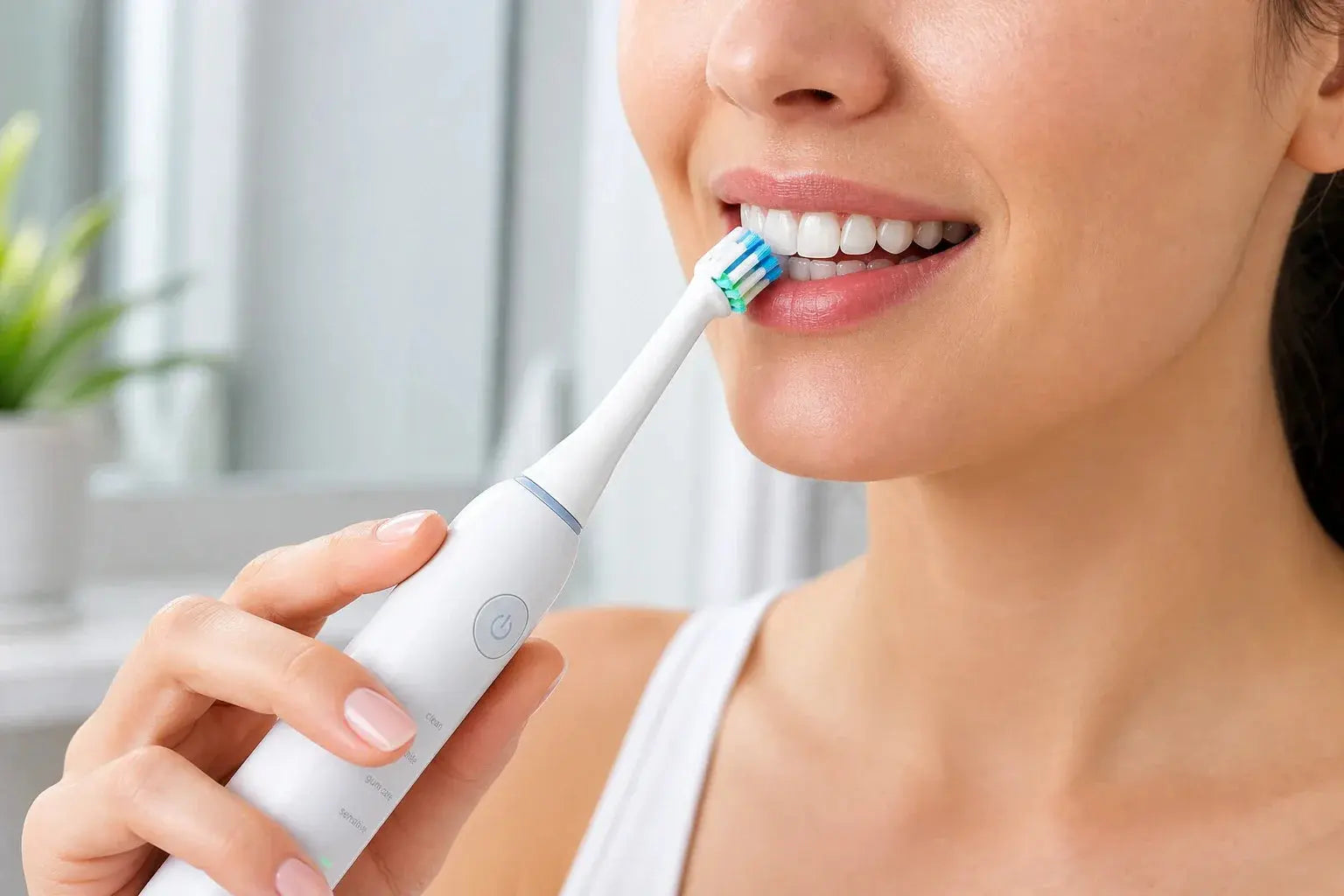
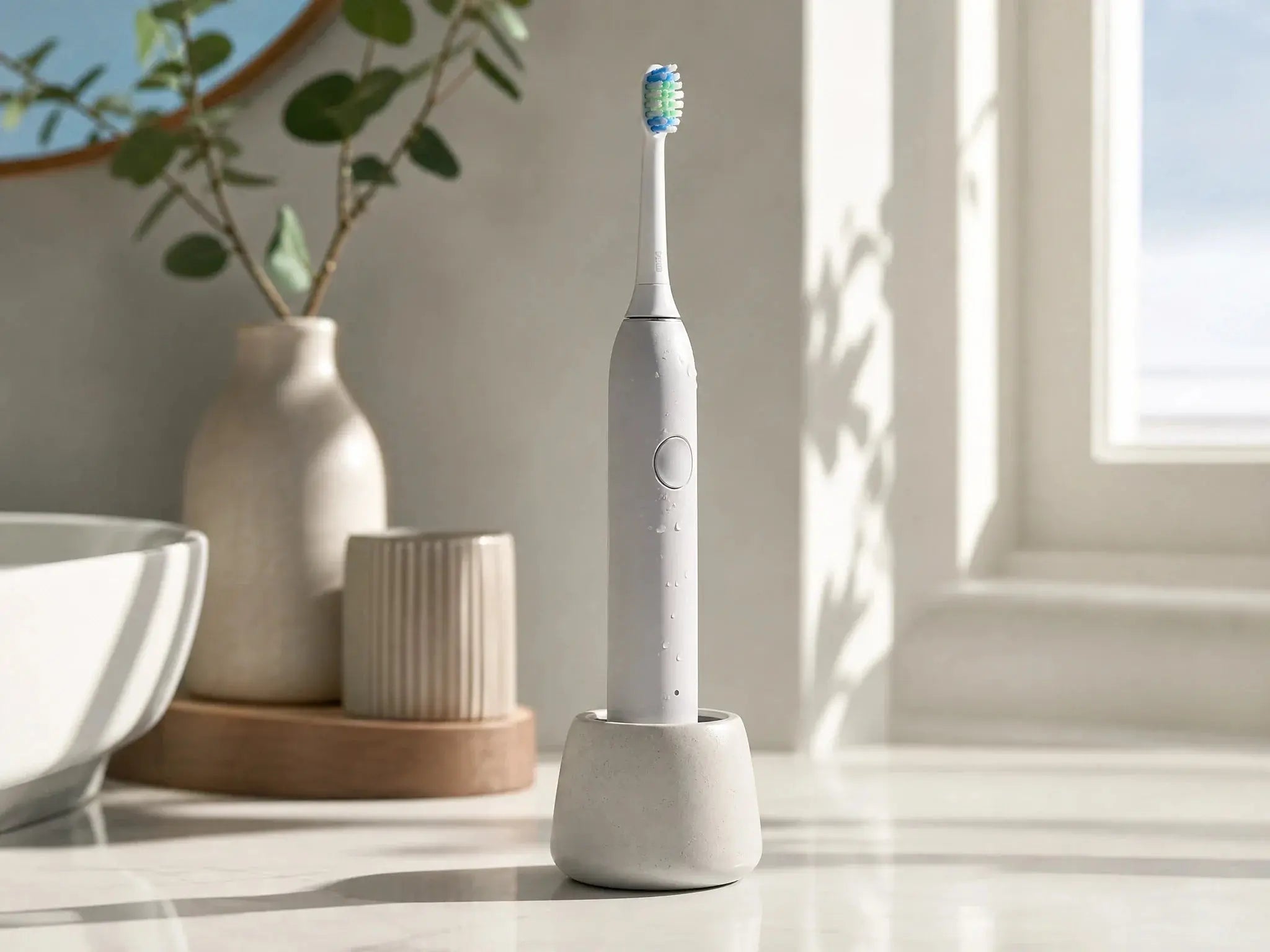


اترك تعليقًا
This site is protected by hCaptcha and the hCaptcha Privacy Policy and Terms of Service apply.