
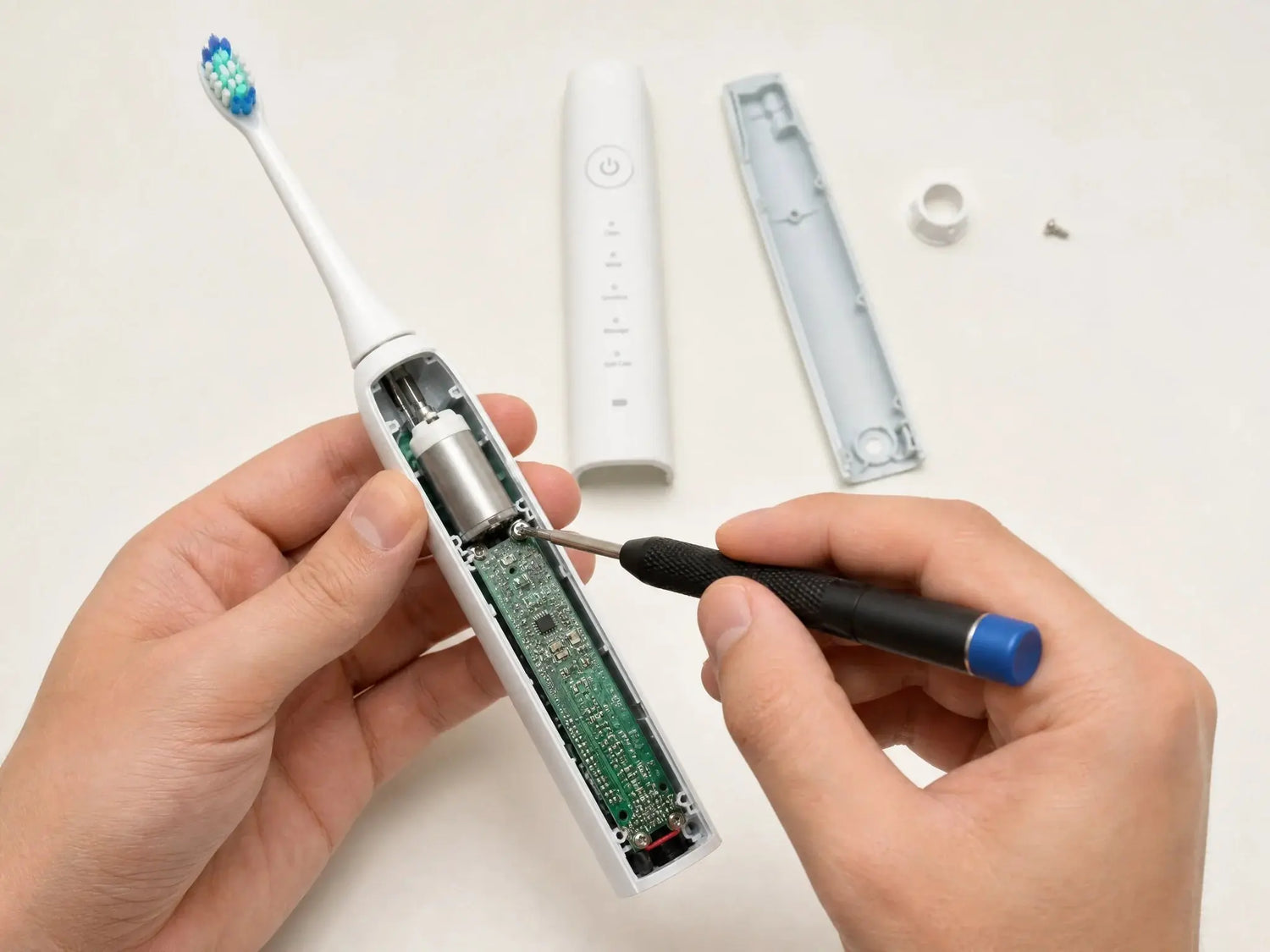
خلاصة سريعة — إن رمي فرشاة الأسنان الكهربائية القديمة في القمامة لا يكتفي بملء مكب النفايات. فالبطاريات التالفة قد تسبب الحرائق وتتسرب منها مواد كيميائية سامة، بينما يتحلل المقبض البلاستيكي إلى لدائن دقيقة تستمر في البيئة. الحل أبسط مما يبدو: أزل البطارية، وافصل الأجزاء، واستخدم برنامج استرجاع من العلامة التجارية أو نقطة إسقاط محلية للنفايات الإلكترونية لإعطاء هذه المواد حياة ثانية.
لماذا يهم التخلص السليم من فرشاة الأسنان الكهربائية
كل عام، تُلقى ملايين أجهزة العناية الشخصية في القمامة. قد تبدو فرشاة الأسنان الكهربائية غير ضارة، لكن أجزاءها الداخلية تحكي قصة مختلفة. فالبطارية المغلقة و مزيج أنواع البلاستيك يجعلانها قطعة صغيرة لكن مركزة من النفايات الإلكترونية.
وعندما تدفنها في مكب النفايات، يمكن أن يصبح هذا الجهاز المدمج خطرًا حقيقيًا. فالبطاريات المسحوقة تشتعل بسهولة، وفي الواقع تسبب البطاريات التالفة مئات الحرائق سنويًا في تيار النفايات، وفقًا لحملات إعادة التدوير أعد تدوير أجهزتك الكهربائية. إعادة التدوير الصحيحة تمنع هذه المخاطر وتتيح للمصنعين استعادة النحاس والمغناطيس والبلاستيك عالي الجودة.
المخاطر البيئية للبطاريات والنفايات الإلكترونية
يحتوي مقبض فرشاة الأسنان الكهربائية على خلية قابلة لإعادة الشحن ولوحة دوائر. عندما يتشقق الغلاف في مكب النفايات، تبدأ المشاكل.
- تلوث التربة والمياه: بطاريات الليثيوم أيون و هيدريد معدن النيكل (NiMH) قد تتسرب منها معادن ثقيلة مثل الكوبالت والنيكل والرصاص إلى المياه الجوفية.
- خطر الحريق: البطارية المثقوبة أو المسحوقة يمكن أن تسبب قصرًا كهربائيًا وتشعل النفايات الجافة، مما يطلق دخانًا سامًا في مرافق النفايات.
- استمرار اللدائن الدقيقة: مقبض بلاستيك ABS لن يتحلل بيولوجيًا. على مدى عقود، يتآكل إلى جزيئات صغيرة تدخل السلسلة الغذائية.
القيمة الخفية في فرشاة أسنانك القديمة: استعادة المواد الثمينة
فكر في فرشاة أسنانك الميتة ليست كقمامة، بل كمنجم حضري صغير. تحتوي لوحات الدوائر على آثار نحاس وذهب. يحمل المحرك مغناطيسًا قويًا من العناصر الأرضية النادرة. الغلاف البلاستيكي بوليمر قابل لإعادة التدوير. بإسقاطها في مركز النفايات الإلكترونية، تزود المواد الخام التي تقلل الحاجة إلى التعدين الجديد.
| الجزء | المادة القابلة للاستعادة |
|---|---|
| غلاف المقبض | بلاستيك ABS عالي الجودة |
| المحرك ولوحة الدوائر | أسلاك نحاسية، موصلات ذهبية، مغناطيسات من العناصر الأرضية النادرة |
| بطارية قابلة للشحن | ليثيوم، كوبالت، نيكل |
ما الذي يوجد داخل فرشاة الأسنان الكهربائية التي تتطلب معاملة خاصة؟
لا يمكنك رمي الوحدة بأكملها في سلة إعادة التدوير على جانب الرصيف لأن كل مكون يحتاج إلى مسار مختلف للتخلص منه.
- المقبض: غلاف بلاستيكي صلب يضم الإلكترونيات.
- بطارية قابلة للشحن: مصدر خطر الحريق؛ يجب عزلها.
- المحرك ولوحة الدائرة: محرك الاهتزاز وشريحة التحكم.
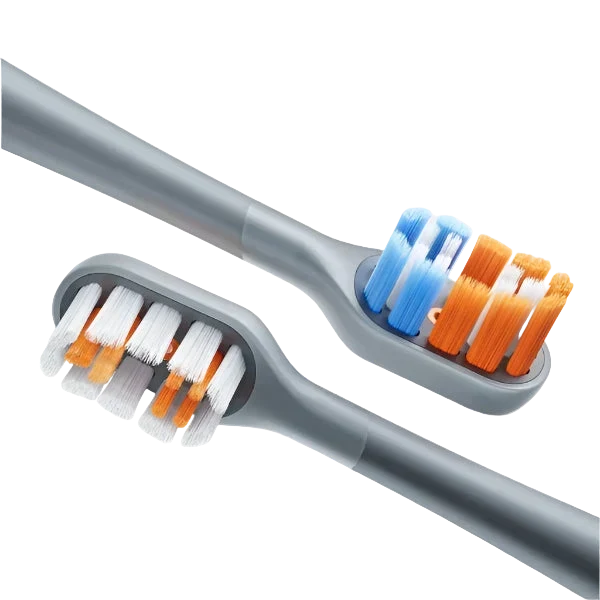
- رأس الفرشاة: وحدة مدمجة من شعيرات النايلون والبلاستيك؛ نادرًا ما يمكن إعادة تدويرها من الرصيف.
- الشاحن: ملحق إلكتروني صغير قياسي.
تحديد نوع البطارية: ليثيوم أيون مقابل هيدريد النيكل والمعدن مقابل القلوية
قبل فتح المقبض، تحقق من الملصق لمعرفة كيمياء البطارية. هذا يحدد مدى دقة التعامل معها.
| نوع البطارية | شائعة في | صعوبة الإزالة | مستوى الخطر |
|---|---|---|---|
| ليثيوم أيون (Li-ion) | أورال-بي الفاخرة، فيليبس سونيكير | صعب (ملحوم/مشدود) | عالٍ (خطر حريق إذا انحنى) |
| هيدريد النيكل والمعدن (NiMH) | الطرازات الأقدم/متوسطة السعر | متوسط | متوسط |
| قلوية (AAA/AA) | فرشاة تعمل بالبطارية واقتصادية | سهل (باب قابل للإزالة) | منخفضة (ولكن تحقق من القواعد المحلية) |
مواد بلاستيكية ومعادن وإلكترونيات تستحق تحويلها من مكبات النفايات
بمجرد تفكيكها، تتلاءم الأجزاء مع تيارات واضحة.
- قابلة لإعادة التدوير: غلاف المقبض البلاستيكي (ABS)، وأجزاء المحرك المعدنية، وملفات النحاس، والمغناطيس، والبطارية المنفصلة.
- غير قابلة لإعادة التدوير في الحاويات القياسية: رأس الفرشاة الكامل (خليط من النايلون والبلاستيك) وأي بطاريات قلوية حيث تحظرها القواعد المحلية.

كيفية تحضير فرشاة أسنانك الكهربائية للتخلص منها
لا ترمِ أبدًا فرشاة أسنان مكتملة التجميع في حاوية إعادة التدوير. يمكن أن يتسبب اتصال بطارية حي في نشوب حريق في شاحنة جمع النفايات. يجب تفكيكها بأمان.
دليل خطوة بخطوة لإزالة البطارية بأمان
اتبع هذه الطريقة العامة. الهدف هو فصل البطارية دون ثقبها.
- فكّر في استنفادها: شغّل الفرشاة واتركها تهتز حتى يتوقف المحرك تمامًا، كما هو موضح في أدلة Oral-B وSonicare. هذا يقلل من الشحنة المخزنة.
- احمِ نفسك: ارتدِ قفازات مطاطية ونظارات واقية. اعمل على سطح نظيف غير قابل للاشتعال.
- افتح الغطاء السفلي: تحتوي العديد من المقابض على قاعدة قابلة للطي. أدخل مفكًا مسطحًا في الشق عند القاعدة ولفّه برفق حتى يتحرر المزلاج.
- أخرج الأجزاء الداخلية: ادفع من الأعلى أو اسحب الغطاء السفلي لإخراج الإطار الداخلي الذي يثبت المحرك والبطارية.
- افصل البطارية: قصّ سلكًا واحدًا في كل مرة باستخدام الكماشة لمنع حدوث ماس كهربائي. السلامة أولاً: لف أطراف الأسلاك المكشوفة أو أطراف البطارية فورًا بشريط كهربائي حتى لا تلمس بعضها البعض.
- ضعها في كيس: ضع البطارية المعزولة في كيس بلاستيكي شفاف قابل للإغلاق للنقل.

كيفية فصل جميع المكونات لفرزها بشكل صحيح
بعد إخراج البطارية بأمان، قم بفرز الباقي في أكوام.
- البطارية: تُوضع في حاوية إعادة تدوير البطاريات.
- الإطار المعدني والمحرك: يُوضع مع النفايات الإلكترونية المنزلية.
- نصفي المقبض البلاستيكي: اتركهما نظيفين وضعهمـا في إعادة تدوير البلاستيك الصلب إذا كانت القواعد المحلية تقبل رمز الراتنج هذا.
- رأس الفرشاة: اقصص الشعيرات وتخلص من الرأس كنفايات عادية — إلا إذا كان لديك ظرف إعادة تدوير خاص بالعلامة التجارية للرؤوس.
أين تعيد تدوير فرشاة الأسنان الكهربائية أو تتخلص منها
لديك عدة مسارات عملية. اختر ما يناسب موقعك.
مرافق التخلص من النفايات الإلكترونية المحلية والنفايات الخطرة المنزلية
المواقع البلدية هي الخيار الأسرع. ببساطة قم بزيارة Earth911 أو ابحث عن “النفايات الخطرة المنزلية بالقرب مني” للعثور على مكان معتمد. تقبل العديد من المرافق الإلكترونيات الصغيرة ذات البطاريات غير القابلة للإزالة مجانًا، مثل تلك المدرجة في دليل التخلص الأخضر لمقاطعة هينيبين. اتصل مسبقًا للتأكد من تعاملهم مع خلايا الليثيوم بحجم السيجارة الإلكترونية.
برامج استرجاع العلامات التجارية: Oral-B وPhilips وQuip والمزيد
العديد من العلامات التجارية الكبرى تدير الآن برامج استرجاع من الشركة المصنعة مجانية تبسط العملية بأكملها.
- Philips Sonicare: توفر ملصقات بريدية مدفوعة مسبقًا وشراكة مع TerraCycle لبرنامج إعادة التدوير المجاني للعناية بالأسنان من Philips في المملكة المتحدة والولايات المتحدة لرؤوس الفرشاة والمقابض الكاملة.
- Oral-B: برنامج “Recycle On Us” يقبل عبوات المقابض البلاستيكية ورؤوس الفرشاة، لكن أجسام المقابض الكهربائية التقليدية يجب أن تمر عبر قنوات النفايات الإلكترونية المنفصلة.
- Quip: يبيعون طرازًا ببطارية قابلة للاستبدال ويقدمون تيار إعادة تدوير بالبريد لرؤوس الفرشاة المستخدمة.
محطات إعادة التدوير بالتجزئة وبرامج الإرسال بالبريد
إذا لم يتوفر لديك مركز بلدي، فابحث عن أكشاك التجزئة.
- Best Buy / Home Depot / Lowe’s: تقدم صناديق Call2Recycle مجانية داخل المتجر للبطاريات القابلة لإعادة الشحن وأحيانًا مقبض فرشاة الأسنان الكامل.
- صندوق TerraCycle Zero Waste Box: خيار الإرسال بالبريد. تشتري صندوقًا، وتملؤه بنفايات العناية بالفم، وتشحنه مرة أخرى للمعالجة. الجانب السلبي؟ تبدأ أسعار الصناديق من حوالي 50 دولارًا، لكنها تقبل الأجزاء المختلطة التي لا يقبلها أي شخص آخر، بما في ذلك رؤوس الفرشاة.
عندما لا يمكنك إعادة التدوير: إرشادات التخلص الآمن كملاذ أخير
إذا كانت بطاريتك غير قابلة للإزالة تمامًا وتعيش في منطقة لا تتوفر فيها منشأة للنفايات الخطرة، فإن وضعها في القمامة هو الملاذ الأخير — ولكن يجب عليك تقليل المخاطر.
- قم بتغطيتها بالكامل بشريط لاصق: قم بتغطية المقبض بالكامل بطبقات متعددة من الشريط اللاصق حتى لا تعلق أي نقاط تلامس معدنية.
- ثبّت البطارية: ضع الجهاز في كيس محكم الإغلاق مملوء بالرمل الجاف أو فضلات القطط لامتصاص التسربات المحتملة.
- لا تحرقها أبدًا.
التخلص السليم من البطاريات القلوية من فرش الأسنان الكهربائية الاقتصادية
تعمل بعض الطرز الكهربائية الاقتصادية بخلايا AAA قلوية قياسية. في العديد من الولايات الأمريكية، تعتبر البطاريات القلوية آمنة للتخلص منها في القمامة العادية، لكن لا تخمن. نظرة سريعة على دليل نفايات بيفرلي، ماساتشوستس يُظهر مدى تحديد القواعد البلدية. إذا كانت مدينتك تدير نظامًا أحادي التيار، فقد يطلبون منك تغطية الأطراف بشريط لاصق. عمل شريط لاصق لمدة ثانيتين يحمي عمال الصرف الصحي من الحرائق المحتملة.

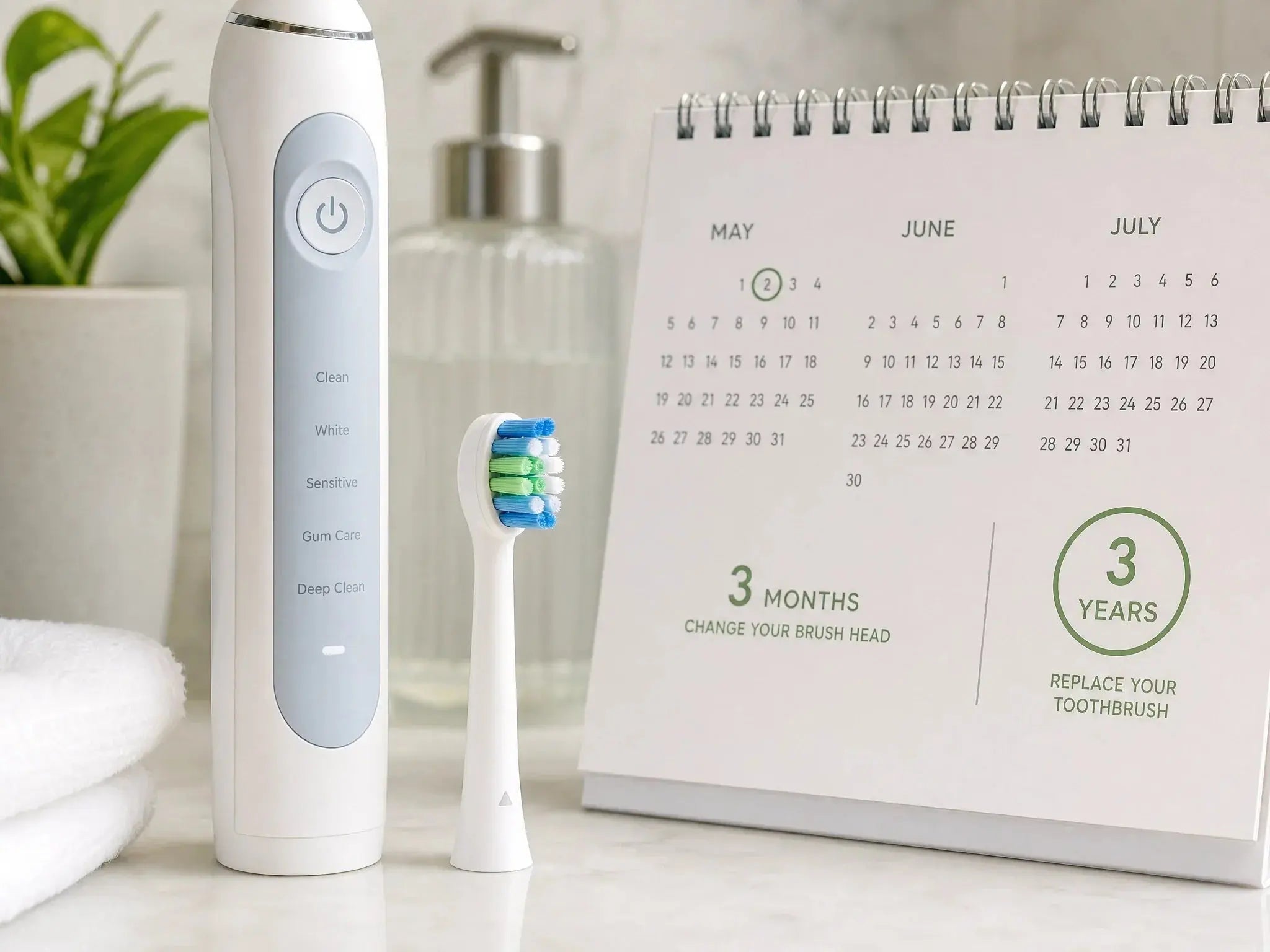
كيف تتعرف على الوقت المناسب لاستبدال فرشاة أسنانك الكهربائية
بدء تحضير إعادة التدوير في الوقت المناسب يمنع الجهاز من الجلوس في الدرج فقط. ابحث عن هذه العلامات.
- انخفاض الطاقة: تنفد البطارية بعد ساعات من الشحن الكامل.
- تلف مادي: كسر في هيكل المقبض يعرض الأسلاك.
- إجهاد المحرك: كسر الختم المقاوم للماء ووجود عفن مرئي بالداخل.
- بطارية غير قابلة للاستبدال: البطارية لم تعد تشحن، والجهاز مغلق.
الصيانة الاستباقية لإطالة العمر الافتراضي وتقليل النفايات
أكثر فرشاة أسنان استدامة هي تلك التي لا تضطر إلى رميها بعد.
- حافظ على نقاط التلامس للشحن خالية من بقايا معجون الأسنان الجافة؛ امسح بقطعة قماش مبللة أسبوعيًا.
- قم بتخزين الفرشاة في وضع مستقيم في حامل مفتوح للسماح بتبخر الماء، مما يمنع التآكل الداخلي.
- استخدم ضغطًا خفيفًا أثناء التنظيف لتقليل الضغط على المحرك المهتز.
- عند شراء بديل، اختر فرشاة أسنان كهربائية مستدامة مصممة لتدوم أطول وتقاوم أضرار الرطوبة. على سبيل المثال، تتميز AirJet X5 من RANVOO بشهادة مقاومة العفن من المستوى 0 وحامل جداري مغناطيسي يحافظ على تهوية الفرشاة وخالية من العفن، بينما توفر اهتزازاتها الدقيقة منخفضة التردد البالغة 22,000 ضربة/دقيقة حماية للثة الحساسة. اختيار مثل هذا النموذج المتين والصديق للثة يعني أنك ستستبدله بشكل أقل - مما يقلل النفايات ويحافظ على صحة ابتسامتك.



اترك تعليقًا
This site is protected by hCaptcha and the hCaptcha Privacy Policy and Terms of Service apply.