

باختصار: تورم اللثة غالبًا ما يكون علامة على التهاب اللثة — التهاب قابل للعكس ناتج عن تراكم البلاك على طول خط اللثة. العناية المنزلية البسيطة مثل المضمضة بالماء المالح والتنظيف اللطيف عادةً ما تقلل التورم في غضون أيام قليلة. إذا كنت تعاني أيضًا من ألم شديد أو صديد أو حمى أو صعوبة في البلع أو تورم يستمر لأكثر من أسبوع، يجب عليك مراجعة طبيب الأسنان فورًا. يوضح هذا الدليل بالضبط ما يحدث، وما يمكنك فعله الآن، ومتى تطلب المساعدة المهنية.

ما تشعر به (ولماذا يمكن التعامل معه عادةً)
الاستيقاظ بلثة منتفخة ومؤلمة قد يكون مقلقًا. قد تلاحظ أنها تبدو أكثر احمرارًا من المعتاد، أو تشعر بألم عند الأكل، أو تنزف قليلًا عند تنظيف الأسنان بالفرشاة. هذه الأحاسيس هي طريقة جسمك في رفع علم أبيض صغير — إشارة إلى أن شيئًا ما يهيج الأنسجة الحساسة التي تثبت أسنانك في مكانها.
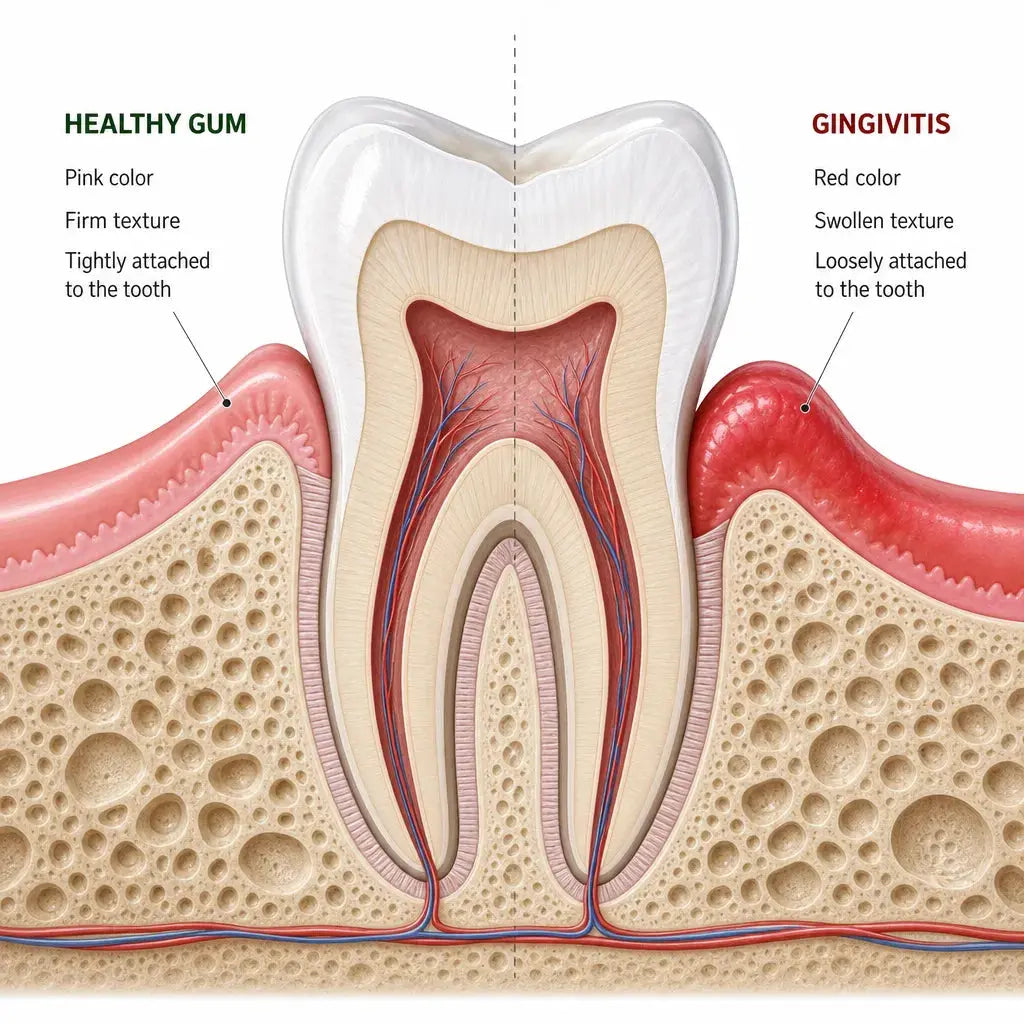
إليك الجزء المطمئن: تورم اللثة هو أحد أكثر شكاوى صحة الفم شيوعًا، وفي الغالبية العظمى من الحالات، يستجيب بشكل رائع للعناية البسيطة والمنتظمة. التورم في حد ذاته هو مجرد التهاب، وهذا يعني أن جهازك المناعي يعمل بنشاط. غالبًا ما يكون هذا الاستجابة الالتهابية ناتجًا عن تراكم البلاك — طبقة حيوية لزجة مليئة بالبكتيريا تستقر بالضبط حيث تلتقي أسنانك بلثتك.
عندما لا تتم إزالة البلاك تمامًا، تطلق البكتيريا منتجات ثانوية تهيج أنسجة اللثة. يستجيب جسمك بإرسال تدفق دم إضافي وخلايا مناعية إلى المنطقة، مما يسبب التورم والاحمرار والحساسية الكلاسيكية. مراجعة سردية لعام 2023 في Frontiers in Oral Health توضح أن المستقلبات الميكروبية من الغشاء الحيوي للبلاك السني تحفز باستمرار الاستجابة الالتهابية للمضيف، مما يمهد الطريق لما نشعر به كتورم اللثة.
فهم هذا التفاعل المتسلسل يزيل الكثير من الخوف. أنت لا تتعامل مع شيء غامض — أنت تتعامل مع استجابة بيولوجية متوقعة وقابلة للإدارة يمكنك التأثير عليها مباشرة من خلال عاداتك اليومية.
تحديد السبب: من غير الضار إلى الضار
ليست كل حالات تورم اللثة متساوية. المفتاح هو مطابقة ما تشعر به مع ما قد يسببه، لتعرف ما إذا كنت بحاجة إلى اللجوء إلى الملح أو التقاط الهاتف.
المشتبه به المعتاد: التهاب اللثة الناتج عن البلاك
السبب الأكثر شيوعًا هو التهاب اللثة, وهو شكل خفيف وقابل للعكس تمامًا من أمراض اللثة. إذا كانت لثتك تنزف عند استخدام الخيط أو الفرشاة, وكان التورم منتشرًا وليس مركزًا في مكان واحد، فمن المرجح جدًا أن يكون التهاب اللثة. هذا يعني أن البلاك قد ظل على خط اللثة لفترة كافية لإشعال الالتهاب، لكنه لم يتلف بعد العظم أو الأربطة التي تدعم أسنانك.
دراسة مراجعة منهجية كبيرة نُشرت في عام 2023 كشفت أن التهاب دواعم الأسنان — المرحلة الأكثر تقدمًا من أمراض اللثة — يصيب حوالي 62% من البالغين المصابين بالأسنان في جميع أنحاء العالم. تؤكد هذه الإحصائية نقطة مهمة: الالتهاب اللثوي واسع الانتشار بشكل لا يصدق، واكتشافه مبكرًا، بينما لا يزال مجرد تورم في اللثة، يمنع التقدم إلى ضرر لا رجعة فيه.
متى يكون الأمر أكثر من التهاب اللثة
ابحث عن أدلة محددة تشير إلى شيء يحتاج إلى عناية أسرع:
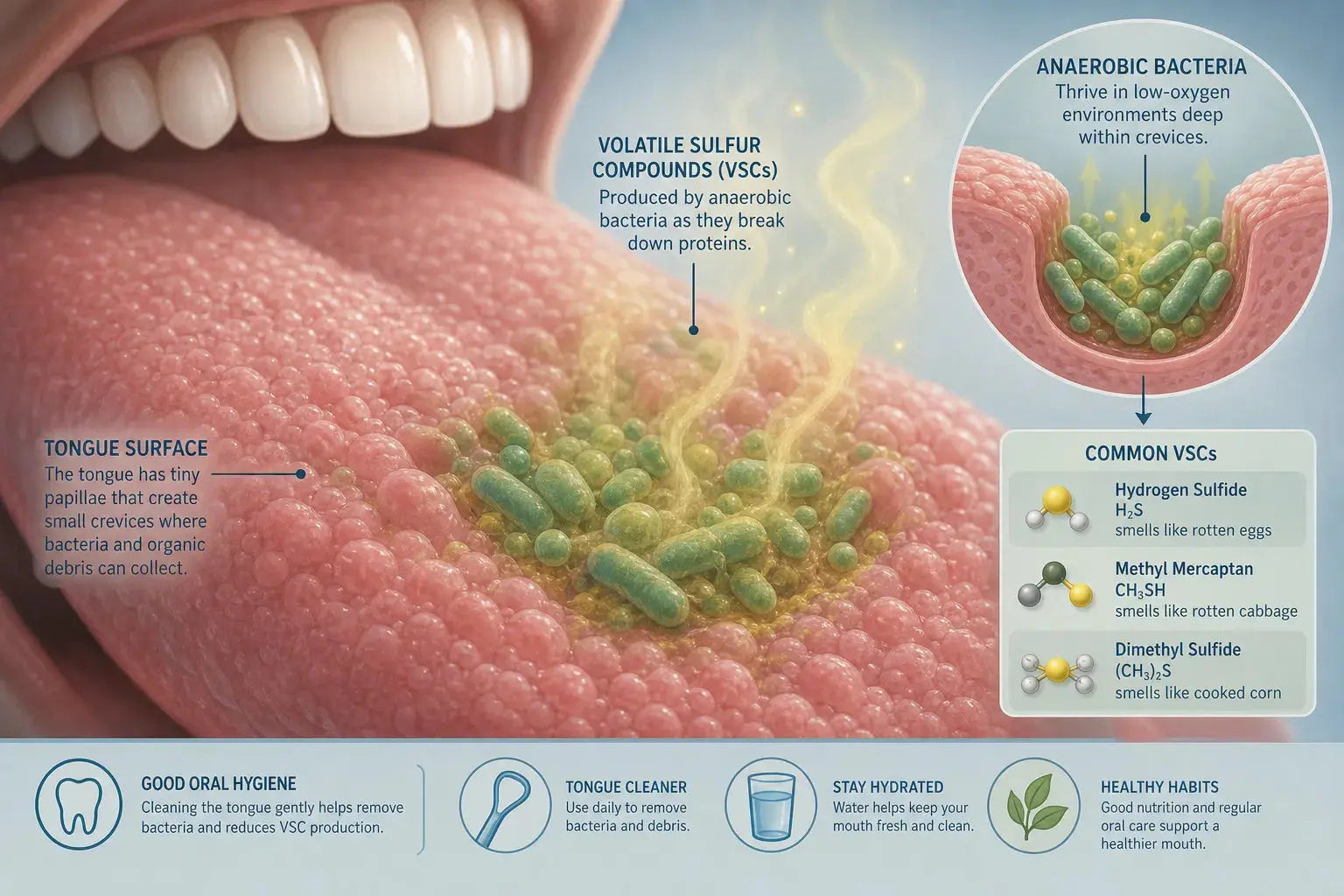
- التهاب دواعم الأسنان: إذا كان التورم مصحوبًا بتراجع اللثة، أو طعم سيء في فمك، أو أسنان متخلخلة، أو جيوب تتشكل بين الأسنان واللثة، فقد انتقل الالتهاب إلى العمق.
- خراج اللثة (الخراج حول السني): نتوء مؤلم واحد يشبه البثرة على اللثة ينبض أو يتسرب منه صديد يشير إلى عدوى موضعية.
- التهاب اللثة أثناء الحمل: تؤدي التغيرات الهرمونية إلى زيادة حساسية اللثة وتدفق الدم، مما يسبب غالبًا تورمًا مبالغًا فيه حتى مع وجود القليل من البلاك.
- الأدوية: يمكن أن تسبب الأدوية مثل حاصرات قنوات الكالسيوم أو الفينيتوين أو السيكلوسبورين فرط نمو ليفي في اللثة يتجاوز الالتهاب البسيط.
- نقص فيتامين سي: نقص فيتامين سي الشديد يضعف إنتاج الكولاجين، مما يضعف أنسجة اللثة ويؤدي إلى تورم ونزيف اللثة.
- الأمراض الجهازية: في حالات نادرة، يظهر سرطان الدم أو أمراض المناعة الذاتية مع تورم اللثة بشكل رخو ومنتفخ لا يتحسن مع النظافة.
قاعدة جيدة: إذا ظهر التورم بعد بضعة أيام من الإهمال في تنظيف الأسنان بالفرشاة أو الخيط، فمن المحتمل أن يكون سببه البلاك. إذا ظهر فجأة مع أعراض أخرى مثل التعب أو الكدمات غير المبررة أو الحمى، فاستشر الطبيب المختص فورًا.
الراحة المنزلية: خطوات آمنة لتقليل التورم بسرعة
عندما تلاحظ الانتفاخ، تريد الراحة الآن. هذه الخطوات آمنة وفعالة ويمكنك البدء بها فورًا.
1. المضمضة بالماء والملح
اخلط نصف ملعقة صغيرة من الملح في كوب من الماء الدافئ. تمضمض برفق لمدة 30 ثانية ثم ابصق. يخلق الماء المالح بيئة عالية التوتر يمكن أن تساعد في تهدئة الأنسجة الملتهبة وتقليل الحمل الميكروبي مؤقتًا.
2. الكمادات الباردة
لف كيس ثلج أو كيس بازلاء مجمدة في قطعة قماش رقيقة وضعه على خدك بالقرب من المنطقة المتورمة لمدة 10-15 دقيقة. يعمل البرد على تضييق الأوعية الدموية، مما يخدر الألم ويقلل الانتفاخ بشكل ملحوظ.
3. التنظيف فائق اللطف
آخر ما تحتاجه اللثة المتورمة هو الفرك العنيف. استخدم فرشاة أسنان ذات شعيرات ناعمة، وأمسكها بزاوية 45 درجة لخط اللثة، وحركها بحركات دائرية صغيرة - مع ترك الشعيرات، وليس الضغط، للقيام بالعمل. استخدم الخيط بلطف، مع ثنيه حول كل سن بدلاً من ضربه على اللثة.
4. مساعدات بدون وصفة طبية
- غسول فم مطهر خالٍ من الكحول: يمكن أن يقلل الغسول الذي يحتوي على مكونات مثل كلوريد سيتيلبيريدينيوم أو بيروكسيد الهيدروجين المخفف من البكتيريا دون لسعة. غسولات الفم العلاجية التي تحتوي على الكلورهيكسيدين فعالة للغاية - أكدت تجربة سريرية عشوائية عام 2025 أن غسول الفم بالكلورهيكسيدين يقلل بشكل كبير من البلاك والتهاب اللثة - ولكن من الأفضل استخدامها على المدى القصير تحت إشراف طبيب الأسنان.
- جل البنزوكايين: يمكن أن توفر المواد الهلامية المخدرة المتاحة بدون وصفة طبية راحة مؤقتة من الألم. ضع فقط كمية صغيرة مباشرة على المنطقة المتورمة ولا تستخدمها لأكثر من بضعة أيام دون استشارة أخصائي.
توقعات واقعية: للتورم الخفيف الناتج عن البلاك، يجب أن تلاحظ تحسنًا واضحًا خلال 1-3 أيام من العناية المستمرة. إذا ظل التورم كما هو أو ازداد سوءًا، فهذه إشارة للانتقال من الرعاية المنزلية إلى الرعاية المتخصصة.

علامات الخطر: متى يجب استدعاء طبيب الأسنان فورًا
لدى جسمك طريقة لإخبارك عندما تكون المشكلة أكبر من مجرد التهاب بسيط. لا تتجاهل هذه العلامات الحمراء:
- تورم يستمر لأكثر من أسبوع على الرغم من تحسن الرعاية المنزلية.
- ألم شديد ونابض يتعارض مع النوم أو الأكل.
- صديد أو طعم كريه يسيل من بين السن واللثة.
- حمى تصاحب التورم.
- أسنان متحركة أو إحساس بتغير في إطباق الأسنان.
- صعوبة في البلع أو التنفس — هذا يتطلب رعاية طارئة.
تشير هذه الأعراض إلى أن العدوى قد انتشرت إلى ما وراء خط اللثة إلى هياكل الدعم الأعمق أو حتى إلى مساحات الوجه. إذا تُرك خراج الأسنان دون علاج، فقد يؤدي إلى فقدان العظام، وفي الحالات القصوى، إلى مضاعفات تهدد الحياة. إذا لاحظت أيًا من هذه العلامات أثناء تقييمك الذاتي، فتجاهل العلاجات المنزلية واتصل بطبيب أسنانك فورًا.
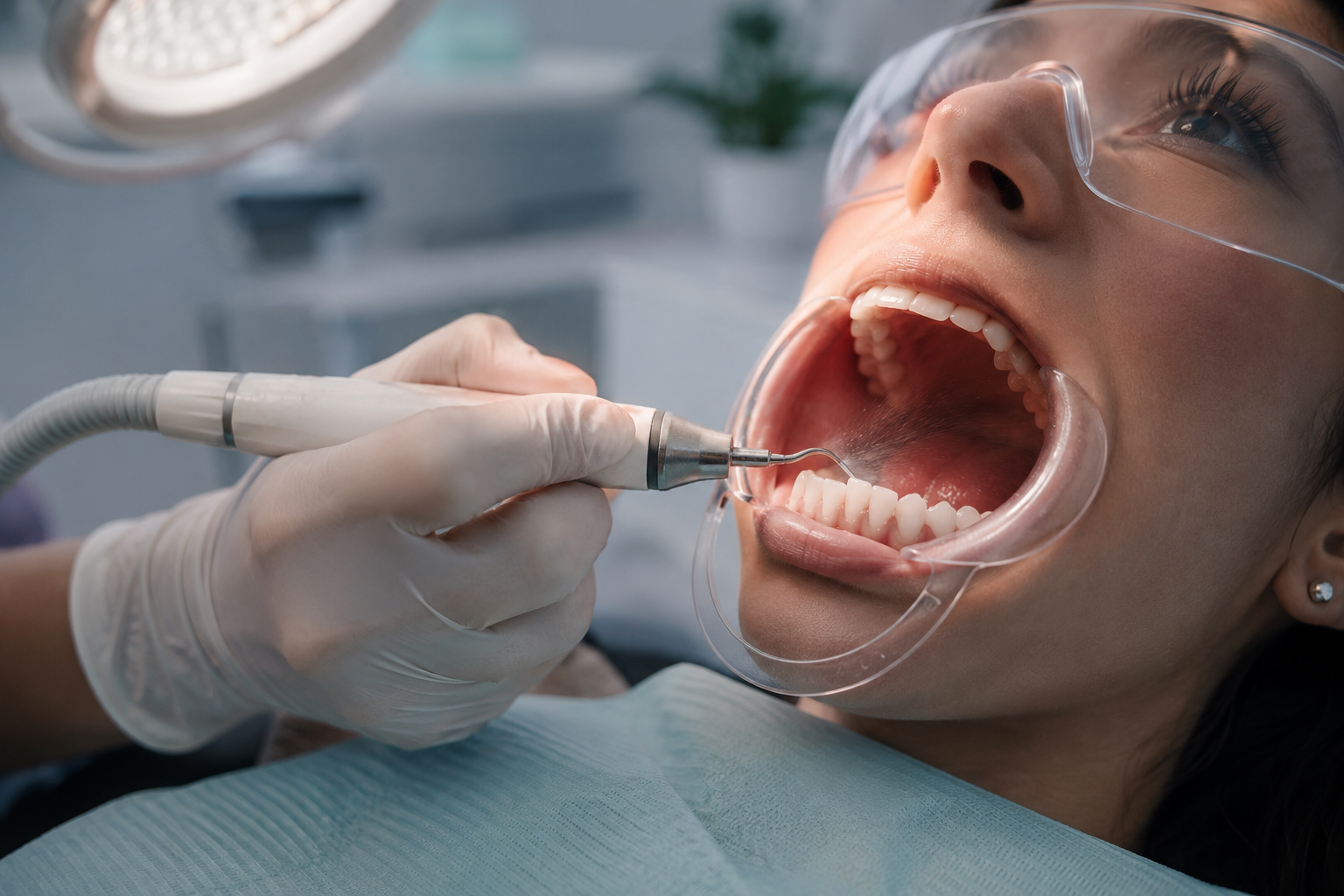
التدخل المهني المبكر — عادةً تنظيف عميق (تقليح وكشط الجذور) لإزالة الجير المتيبس والبكتيريا من تحت خط اللثة — يمكن أن يوقف التهاب دواعم السن في مساره ويحفظ أسنانًا قد تُفقد لولا ذلك.
العناية طويلة الأمد: حافظ على صحة لثتك إلى الأبد
منع التورم المستقبلي لا يتطلب نظامًا معقدًا. يعتمد على بعض الإجراءات اليومية غير القابلة للتفاوض.
نظف أسنانك بشكل صحيح، كل يوم. استخدم فرشاة ناعمة الشعيرات بزاوية تجاه خط اللثة. الهدف هو تفتيت البلاك قبل أن يتصلب إلى جير. التحول إلى فرشاة أسنان صوتية كهربائية يمكن أن يوفر آلاف الحركات الدقيقة في الدقيقة، مما يزيل البلاك بشكل فعال على طول خط اللثة دون خطر الإفراط في التنظيف. فرشاة أسنان كهربائية مزودة بمستشعر ضغط ستنبهك أيضًا إذا كنت تضغط بشدة، مما يحمي اللثة الحساسة بالفعل أثناء شفائها.
نظف بين أسنانك بالخيط يوميًا. قم بثني الخيط على شكل حرف C وحركه بلطف تحت خط اللثة. إذا كان استخدام الخيط صعبًا، فإن جهاز تنظيف الأسنان بالماء (خيط مائي) يمكن أن يقلل النزيف والتورم عن طريق طرد البقايا التي تغذي البكتيريا.
حدد مواعيد تنظيف الأسنان بانتظام. الإزالة الاحترافية للجير كل ستة أشهر — أو أكثر إذا كنت عرضة للتراكم — تكسر دورة الالتهاب.
تعامل مع الصورة الأكبر. تحكم في مستوى السكر في الدم إذا كنت مصابًا بالسكري، وتجنب التبغ، وحافظ على ترطيب جسمك. حتى التهاب دواعم السن المزمن يمكن التحكم فيه بدرجة كبيرة من خلال الرعاية المهنية المستمرة وروتين منزلي ثابت. تورم اللثة هو نظام الإنذار المبكر لديك؛ بمجرد أن تتعلم الاستجابة بسرعة، تستعيد السيطرة على صحة فمك.




اترك تعليقًا
This site is protected by hCaptcha and the hCaptcha Privacy Policy and Terms of Service apply.