الخلاصة: جفاف الفم (نقص اللعاب) ليس مجرد إزعاج، بل غالبًا ما يكون مؤشرًا. تشمل الأسباب الأكثر شيوعًا الأدوية، والجفاف، وعادات نمط الحياة، والحالات الصحية الكامنة مثل السكري أو متلازمة شوغرن. بينما يمكن التحكم في معظم الأسباب، فإن الجفاف المستمر الذي يتعارض مع الأكل أو التحدث أو النوم يستحق فحصًا أدق. إليك كيفية فك رموز ما يخبرك به جسمك.
الاستيقاظ بفم جاف كالرمال أو الوصول إلى الماء كل بضع دقائق يمكن أن يكون مزعجًا. قد تتساءل عما إذا كنت لا تشرب كمية كافية من الماء أو إذا كان هناك شيء آخر يحدث. جفاف الفم — الذي يُسمى رسميًا نقص اللعاب— هو الإحساس بجفاف الفم، وهو عرض وليس مرضًا بحد ذاته. وهو يختلف عن قصور إفراز اللعاب, وهو انخفاض قابل للقياس الموضوعي في تدفق اللعاب; بعض الناس يشعرون بالجفاف حتى عندما تعمل غددهم بشكل جيد. فهم ما وراء هذا الشعور بالعطش هو الخطوة الأولى نحو الراحة.

أنت لست وحدك. قدّرت مراجعة منهجية عالمية أن حوالي 22% من الناس يعانون من جفاف الفم, مع ارتفاع النسب بين كبار السن والنساء. يمكن تقسيم الأسباب بشكل عام إلى محفزات مؤقتة وحالات تحتاج إلى عناية طبية. لنبدأ بالأسباب اليومية.
عادات نمط الحياة التي قد تسبب جفاف الفم
بعض أكثر مسببات جفاف الفم شيوعًا هي أشياء يمكنك تغييرها بنفسك. ابحث عن هذه الأنماط القابلة للعكس:
- الجفاف: عدم شرب كمية كافية من الماء، خاصة بعد التمرين أو في الطقس الحار أو عندما تكون مريضًا بالقيء أو الإسهال.
- التنفس من الفم: النوم وفمك مفتوح — بسبب انسداد الأنف أو انقطاع النفس أثناء النوم أو العادة — يمكن أن يجعلك تستيقظ بفم جاف.
- الكافيين والكحول: كلاهما لهما تأثيرات مدرة للبول خفيفة يمكن أن تميل توازن السوائل نحو الجفاف.
- التدخين أو vaping: التبغ والنيكوتين يقللان من تدفق اللعاب ويغيران من جودته الوقائية.
- الإفراط في استخدام غسولات الفم التي تحتوي على الكحول: بعض غسولات الفم التي تُصرف دون وصفة طبية قد تزيد الجفاف سوءًا مع مرور الوقت.
إذا كنت تستيقظ بانتظام بشعور لزج يشبه القطن أو تحتاج إلى كوب من الماء فورًا، فمن المحتمل أنك تعاني من نمط جفاف ليلي. تغييرات بسيطة — مثل شرب الماء طوال اليوم أو استخدام مرطب أو علاج احتقان الأنف — غالبًا ما تحقق راحة سريعة.
الأدوية التي تثبط إفراز اللعاب
هذه هي لحظة "آها" لكثير من الناس. المئات من الأدوية تذكر جفاف الفم كأثر جانبي، وحددت مراجعة منهجية من ورشة العمل العالمية لطب الفم 56 مادة بدليل أعلى على تسببها في خلل وظيفي في الغدد اللعابية— مع احتمال تورط الكثير غيرها. تشمل فئات الأدوية الشائعة:
- مضادات الاكتئاب (ثلاثية الحلقات ومثبطات استرداد السيروتونين الانتقائية)
- مضادات الهيستامين ومزيلات الاحتقان
- أدوية ضغط الدم (مدرات البول، حاصرات بيتا، مثبطات الإنزيم المحول للأنجيوتنسين)
- مرخيات العضلات والبنزوديازيبينات
- مسكنات الألم الأفيونية
- بعض أدوية التحكم في المثانة وسلس البول
يزداد الخطر بشكل حاد عند تناول أدوية متعددة. تعدد الأدوية—تناول ثلاثة أدوية أو أكثر—يخلق عبئًا تراكميًا مضادًا للكولين يمكن أن يقلل بشكل كبير من إفراز اللعاب. تظهر الأبحاث باستمرار أنه كلما زاد عدد الأدوية التي يتناولها الشخص، زادت احتمالية إصابته بجفاف الفم. إذا بدأت مؤخرًا في تناول دواء جديد بوصفة طبية وشعرت فجأة بأن فمك أصبح جافًا للغاية، فهذا أحد الأماكن الأولى التي يجب البحث فيها. لا تتوقف أبدًا عن تناول دواء موصوف دون التحدث مع طبيبك، ولكن قم بإبلاغ الطبيب بهذا العرض.
الحالات الصحية التي يمكن أن تؤدي إلى جفاف الفم
في بعض الأحيان، يكون جفاف الفم أول همسة لمرض جهازي. عندما لا يكون السبب هو نمط الحياة أو دواء واحد، فقد يكون جسمك يشير إلى شيء أعمق.
- متلازمة شوغرن: حالة من أمراض المناعة الذاتية حيث يهاجم الجهاز المناعي الغدد المنتجة للرطوبة. جفاف العينين والفم معًا هو علامة تحذير كلاسيكية.
- داء السكري: ارتفاع نسبة السكر في الدم يسحب السوائل من الخلايا ويزيد التبول، مما يؤدي إلى الجفاف. تجد الدراسات انتشارًا أعلى بشكل ملحوظ لجفاف الفم بين الأشخاص المصابين بداء السكري.
- اضطرابات الغدة الدرقية: يمكن أن يؤدي كل من فرط نشاط الغدة الدرقية وقصورها إلى تغيير تكوين اللعاب وتدفقه.
- التهاب المفاصل الروماتويدي، والذئبة، وفيروس نقص المناعة البشرية/الإيدز: يمكن أن تؤثر هذه جميعها بشكل مباشر أو غير مباشر على الغدد اللعابية.
- الحالات العصبية: السكتة الدماغية، ومرض باركنسون، والزهايمر يمكن أن تعطل الأعصاب التي تتحكم في إفراز اللعاب أو تضعف ردود فعل البلع.
- القلق والاكتئاب: بالإضافة إلى التأثير المجفف لبعض الأدوية النفسية، يمكن أن يؤدي التوتر نفسه إلى جفاف الفم المؤقت من خلال تنشيط الجهاز العصبي الودي.
- العلاج الإشعاعي للرأس والرقبة: يتلف الإشعاع أنسجة الغدد اللعابية—غالبًا بشكل دائم—خاصة عند الجرعات التراكمية التي تزيد عن 60 جراي. يواجه مرضى السرطان الذين يتلقون العلاج الإشعاعي للرأس والرقبة خطرًا كبيرًا جدًا للإصابة بجفاف الفم الشديد مدى الحياة.
- تلف الأعصاب: يمكن للجراحة أو الصدمة في منطقة الرأس والرقبة أن تقطع الإشارات العصبية إلى الغدد.
لاحظ أن جفاف الفم نادرًا ما يظهر بمفرده في هذه الحالات. ابحث عن التجمعات: فقدان الوزن غير المبرر، العطش والتبول الشديدان، آلام المفاصل، جفاف العينين، أو تقرحات الفم إلى جانب الجفاف.

عندما يشير جفاف الفم إلى شيء خطير
معظم حالات جفاف الفم يمكن التحكم فيها ولا تُعد حالة طارئة. لكن هناك علامات معينة تستدعي الفحص الدقيق. استشر مقدم الرعاية الصحية إذا لاحظت:
- جفافًا يستمر لأسابيع على الرغم من تحسين الترطيب وتغيير العادات
- صعوبة في البلع أو التحدث بسبب الجفاف
- تقرحات في الفم، أو تشقق الشفاه، أو إحساس بالحرقة
- زيادة ملحوظة في تسوس الأسنان أو التهاب اللثة
- فقدان وزن غير مبرر أو عطش مستمر
هذه العلامات التحذيرية لا تعني تلقائيًا وجود مرض خطير، لكنها تفصل بين الجفاف المؤقت والجفاف الذي قد يتطور. جفاف الفم الذي يزول بحلول وقت الغداء بعد زيادة تناول الماء يختلف كثيرًا عن الجفاف الذي يستمر طوال اليوم، كل يوم.
أي أخصائي يجب زيارته وما يمكن توقعه
غالبًا ما يبدأ الطريق إلى الإجابات من طبيب الأسنان. يمكن لأطباء الأسنان اكتشاف العلامات المبكرة لنقص إفراز اللعاب — تسوس الأسنان المنتشر، مشاكل اللثة، وجفاف اللسان وتشققه — واقتراح تخفيف فوري للأعراض. كما يمكنهم وصف منتجات عالية الفلورايد لحماية أسنانك.
طبيب الرعاية الأولية هو المحطة التالية لإجراء فحوصات شاملة. توقع مراجعة دقيقة للأدوية وربما اختبارات دم للكشف عن مرض السكري وعلامات المناعة الذاتية ووظائف الغدة الدرقية. إذا كان هناك اشتباه في متلازمة شوغرن، فقد يتم إحضار أخصائي الروماتيزم ، وأحيانًا يتم إجراء خزعة من الشفة لتأكيد التشخيص. يمكن لاختبارات تدفق اللعاب — التي تقيس اللعاب غير المحفز والمحفز — تحديد مستوى القصور الوظيفي بدقة.
العملية ليست مخيفة؛ إنها طريقة منهجية لاستبعاد أو تأكيد الأسباب. تؤكد الإرشادات المهنية من جمعية طب الأسنان الأمريكية أن الاكتشاف المبكر والرعاية متعددة التخصصات يمكن أن يمنعا المضاعفات الفموية الخطيرة.
خفف جفاف فمك أثناء بحثك عن الأسباب
حتى قبل تحديد السبب، يمكنك البدء في الشعور بتحسن. هذه الاستراتيجيات اللطيفة والفورية تخفف الانزعاج وتحمي فمك:
- اشرب الماء بشكل متكرر طوال اليوم؛ واحتفظ بكوب بجانب سريرك.
- استخدم أقراص استحلاب أو علكة خالية من السكر لتحفيز اللعاب الطبيعي.
- تجنب غسولات الفم التي تحتوي على الكحول— واختر تركيبات خالية من الكحول ومرطبة.
- شغّل جهاز ترطيب الهواء في الليل، خاصة إذا كنت تتنفس من فمك.
- قلل من الكافيين والكحول والتدخين.
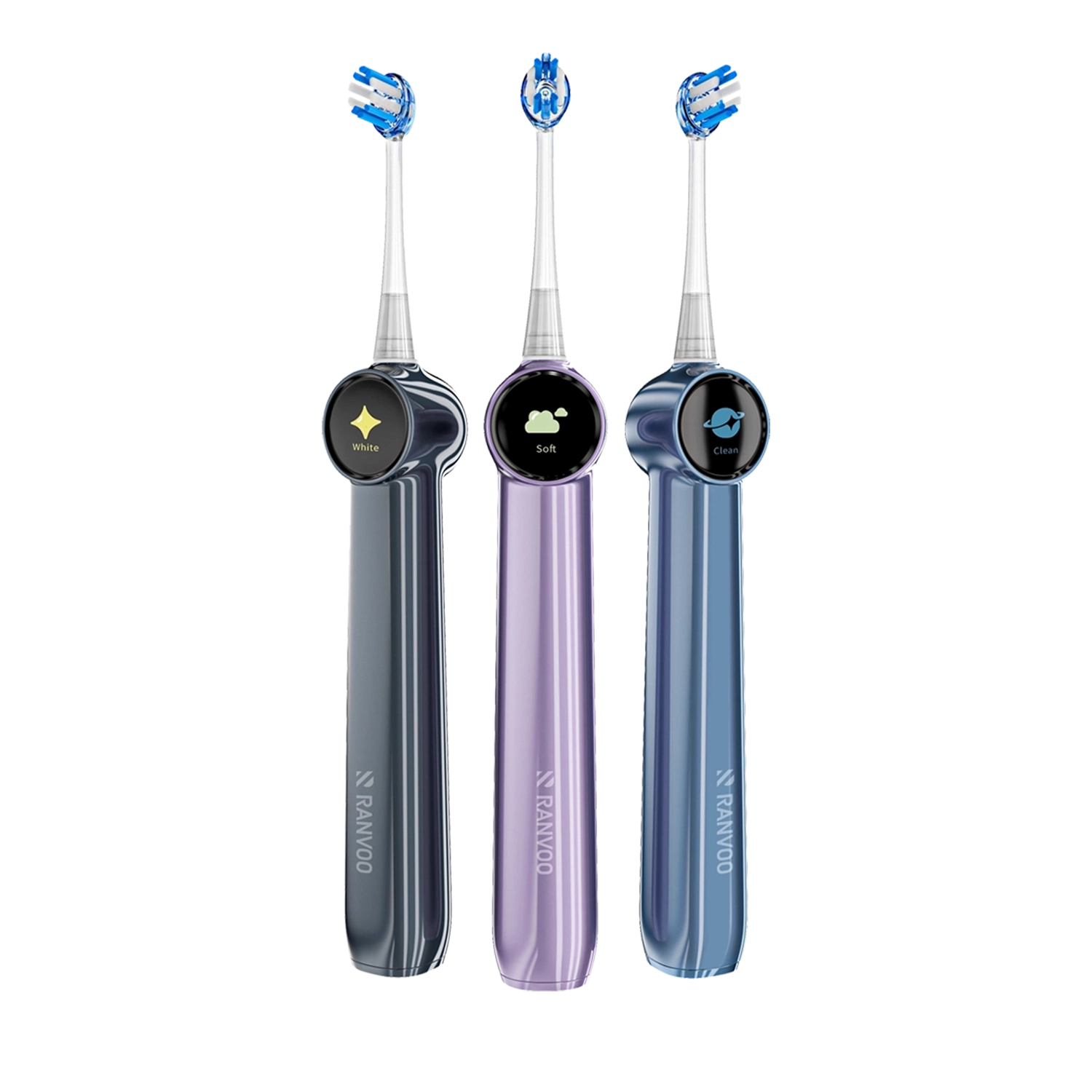
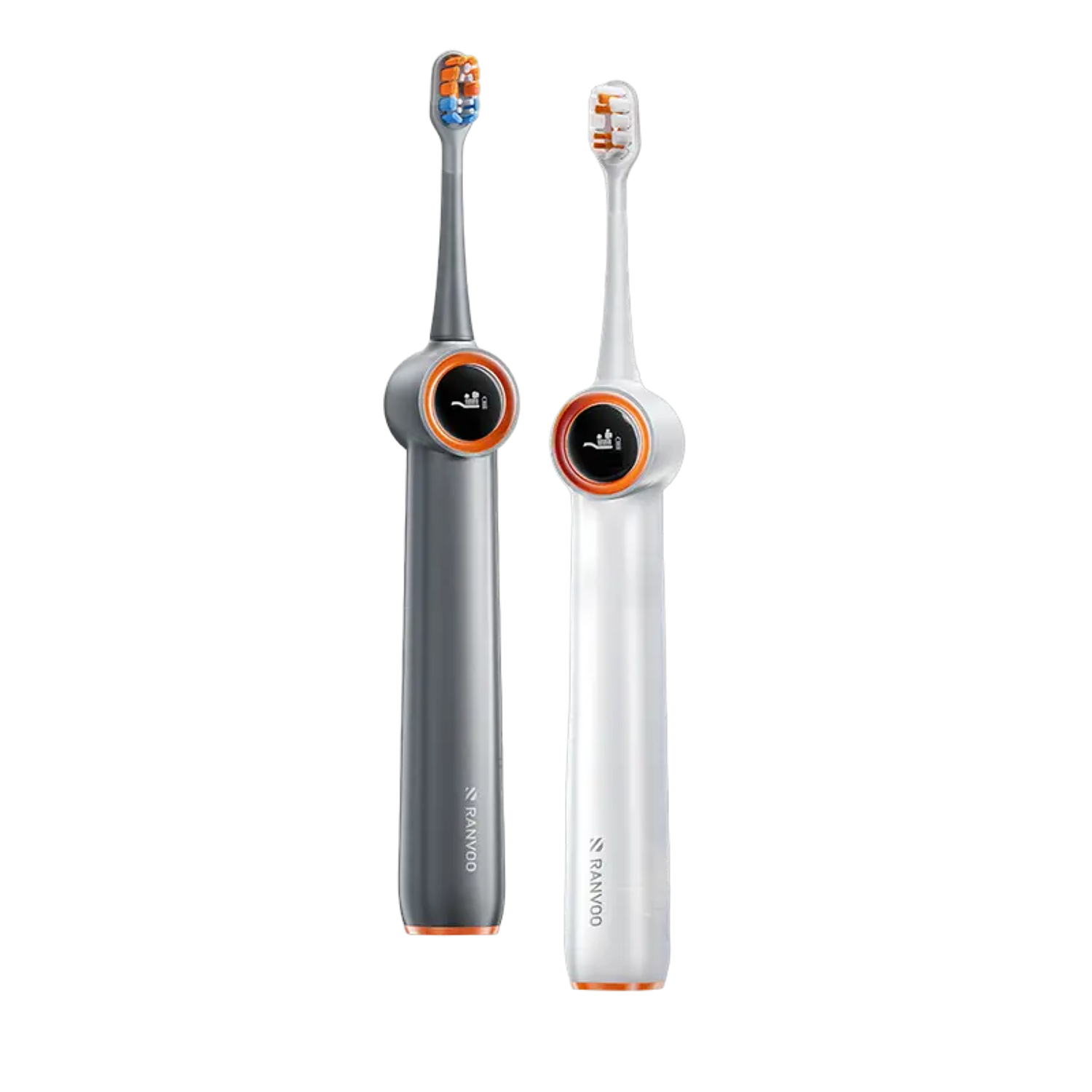
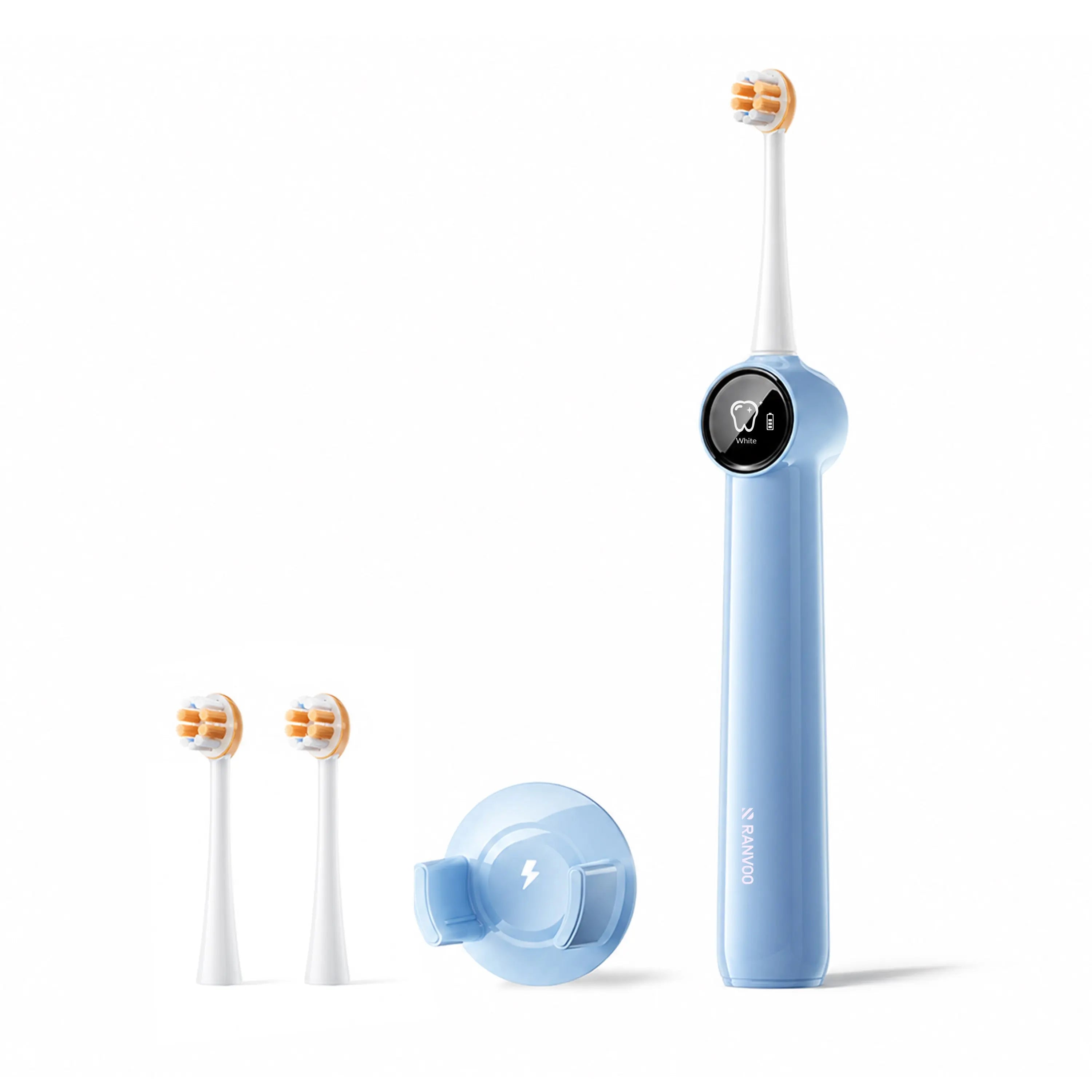
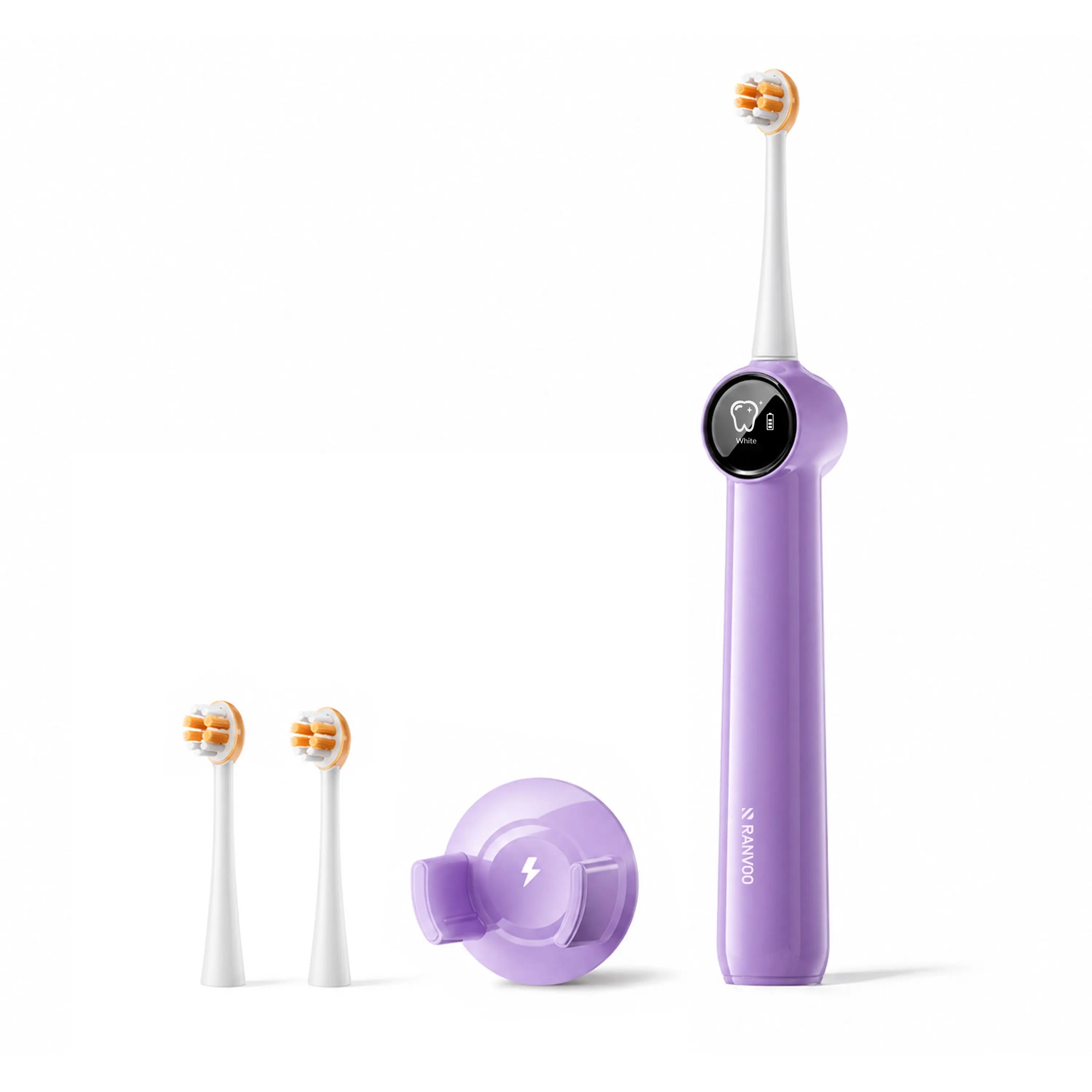
بينما تبحث عن السبب الأساسي، فإن الحفاظ على سلامة أسنانك هو أولوية قصوى—استخدام فرشاة أسنان كهربائية يمكن أن يزيل البلاك المسبب للتسوس بشكل أكثر فعالية عندما يكون تدفق اللعاب منخفضًا. فرشاة أسنان كهربائية صوتية قد تصل أيضًا إلى المناطق التي يفوتها التنظيف اليدوي، مما يمنحك طبقة إضافية من الحماية.
جفاف فمك رسالة تستحق الاستماع إليها. في معظم الأحيان، يشير إلى شيء بسيط وقابل للعكس. وحتى عندما تكون هناك حالة مزمنة، فهناك طرق عديدة للتعامل مع الأعراض وحماية ابتسامتك بينما تعمل أنت وفريق الرعاية الخاص بك على كشف السبب الجذري.

تمت مراجعة هذا المقال من قِبَل مختص في صحة الفم لضمان دقته. يهدف المقال إلى تقديم معلومات تثقيفية عامة، ولا ينبغي استخدامه بديلاً عن المشورة الطبية أو التشخيص أو العلاج المخصص لحالتك. إذا كانت لديك أي أسئلة أو مخاوف تتعلق بصحة فمك، فيُرجى استشارة طبيب الأسنان أو الطبيب أو أي مقدم رعاية صحية مؤهل آخر.