

تستخدم فرشاة الأسنان الصوتية اهتزازات عالية السرعة لإنشاء حركة سائل ديناميكية تنظف أبعد من نقاط ملامسة الشعيرات. إنها تزيل البلاك، وتحمي اللثة، وتشعر بنعومة أكبر من الفرشاة اليدوية—ولكن اختيار واحدة يتعلق بأكثر من مجرد السرعة.
ما هي فرشاة الأسنان الصوتية؟
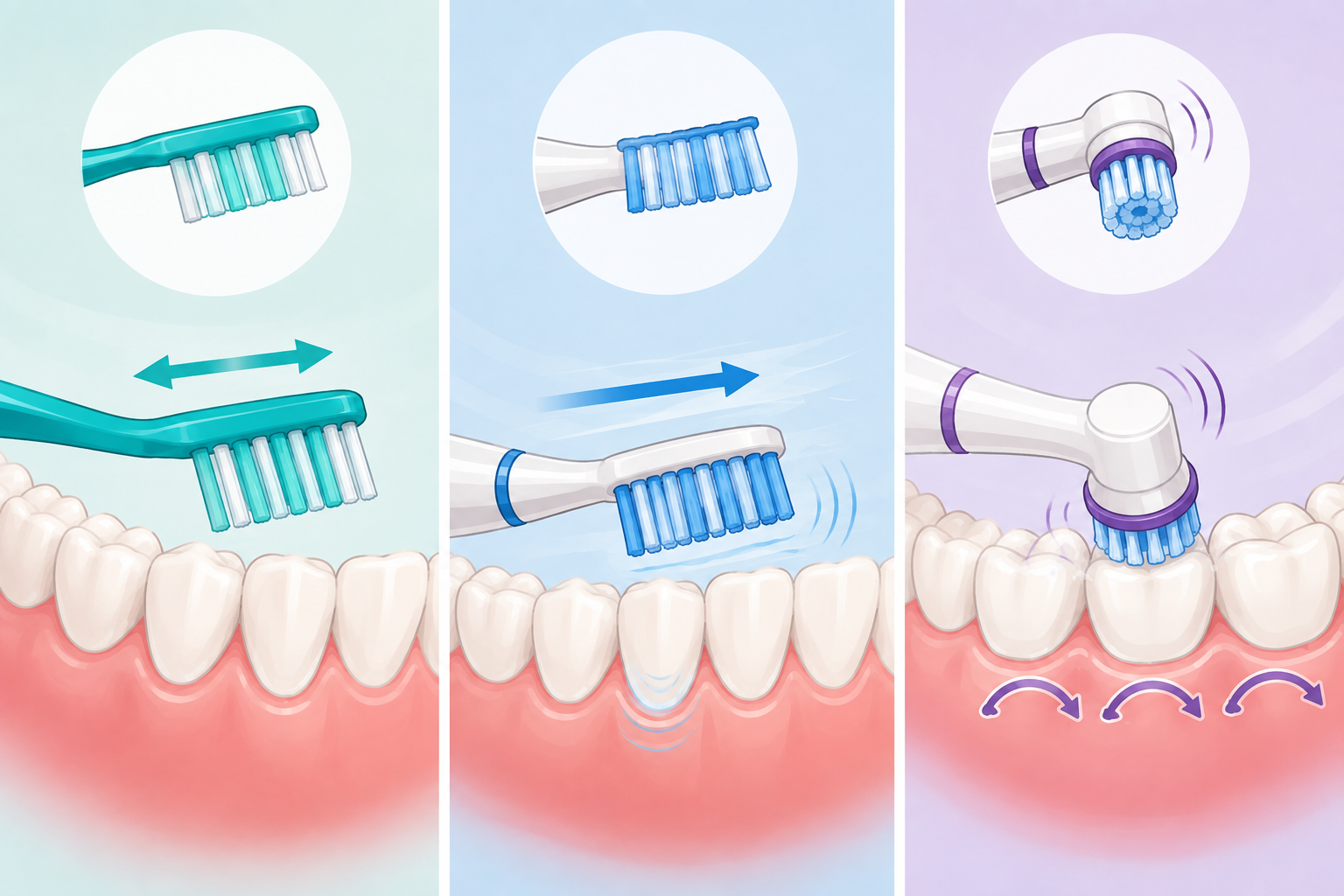
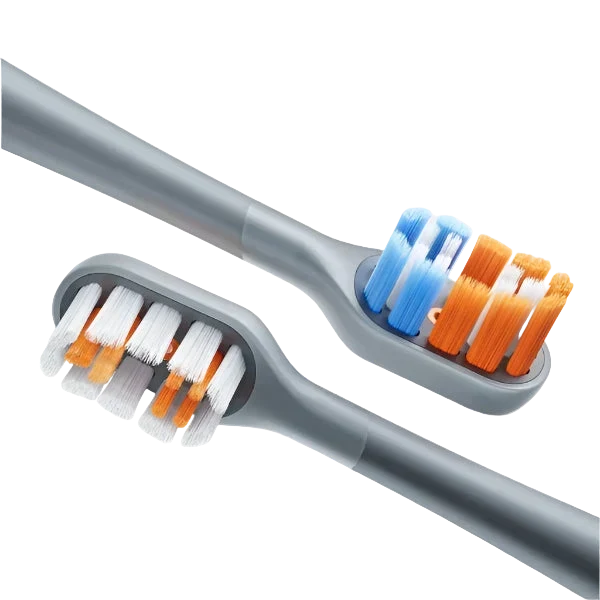
فرشاة الأسنان الصوتية هي فرشاة أسنان كهربائية تهتز بتردد عالٍ—عادةً من 24,000 إلى 62,000 ضربة فرشاة في الدقيقة. على عكس الفرشاة اليدوية، فهي تقوم بالعمل نيابة عنك من خلال حركة سريعة من جانب إلى آخر تولد طاقة صوتية في الفم.
- حركة الشعيرات: يتحرك الرأس المطول من جانب إلى آخر بسرعات صوتية.
- تفعيل السائل: يعمل الاهتزاز على تحريك اللعاب والماء ومعجون الأسنان وتحويلها إلى سائل تنظيف.
- الوصول إلى ما وراء الشعيرات: يساعد حركة السائل هذه في إزالة البلاك حتى في الأماكن التي لا تلمسها الشعيرات فعليًا.

كيف تعمل فرشاة الأسنان الصوتية؟
علم الاهتزاز الصوتي
يقوم محرك صغير داخل المقبض بتحريك الشعيرات ذهابًا وإيابًا آلاف المرات في الدقيقة. يخلق هذا التذبذب السريع موجات ضغط في خليط معجون الأسنان واللعاب—مشابهًا لكيفية تحريك مكبر الصوت للهواء. المفتاح ليس القوة الغاشمة بل التردد والسعة مضبوطان لتفتيت طبقات البلاك.
دور ديناميكا الموائع في التنظيف
يكمن الاختلاف الحقيقي فيما يحدث أبعد من أطراف الشعيرات. يولد الحركة عالية التردد فقاعات دقيقة واضطرابًا في السائل—يُطلق عليه غالبًا حركة التنظيف الديناميكية للسائل. عندما تنهار هذه الفقاعات، تنتج تيارات دقيقة تزيل البلاك من أسطح الأسنان وتحت خط اللثة مباشرة.
يصل هذا "التنظيف غير التلامسي" إلى 4 مم أبعد من حيث تفرش الشعيرات فعليًا—مما يساعد على تنظيف ما بين الأسنان وعلى طول خط اللثة دون فرك قوي. بعض الموديلات المتقدمة، مثل RANVOO AirJet X5، تصقل ديناميكا الموائع هذه في تقنية مخصصة تُسمى "فرشاة الفقاعات"، باستخدام فقاعات دقيقة مضبوطة بدقة لتوفير تنظيف أكثر لطفًا وفعالية—وهي الحل المثالي لمن يقلقون بشأن تلف اللثة.
لماذا تختار فرشاة الأسنان الصوتية؟ الفوائد الرئيسية
- إزالة فائقة للبلاك: حللت شبكة تحليل تلوي لعام 2025 تصنيف الفرش الصوتية في المرتبة الثانية بعد النماذج الدوارة-الاهتزازية فقط لتقليل اللويحة السنية، متجاوزة بشكل ملحوظ التنظيف اليدوي. في تحليل تلوي كبير آخر، قللت الفرش الصوتية نزيف اللثة بنسبة 32٪ مقارنة بالفرشاة اليدوية.
- عناية لطيفة باللثة: تساعد الحركة السائلة على طرد البكتيريا من خط اللثة، والانزلاق غير الكاشط ألطف على اللثة الحساسة أو المتراجعة. للمستخدمين القلقين بشكل خاص من صدمة اللثة، تأخذ RANVOO AirJet X5 هذه الخطوة إلى أبعد من ذلك: آلية التنظيف القائمة على الفقاعات تقلل من ضغط الشعيرات المباشر مع الوصول إلى الجيوب، مما يجعلها خيارًا بارزًا للأفواه الحساسة.
- تنظيف بين الأسنان بلا جهد: تساعد موجات الضغط على تفكيك الأغشية الحيوية بين الأسنان - وهي ميزة حقيقية إذا كنت تواجه صعوبة في استخدام الخيط (على الرغم من أنها لا تحل محل الخيط).
- إزالة البقع وإحساس مصقول: غالبًا ما يبلغ المستخدمون عن سطح أسنان أكثر نعومة وإشراقًا. يمكن للتنظيف الديناميكي تقليل بقع القهوة والشاي والنبيذ دون مواد كاشطة قاسية.

الفرش الصوتية مقابل فرش الأسنان الكهربائية الدوارة (الدوارة-الاهتزازية): مقارنة مفصلة
اقرأ مقارنتنا الكاملة بين فرشاة الأسنان الصوتية والدوارة إذا كنت تريد معرفة المزيد.
كيف يختلف إجراء التنظيف
| الميزة | فرشاة الأسنان الصوتية | فرشاة الأسنان الدوارة-الاهتزازية |
|---|---|---|
| الحركة | اهتزاز جانبي عالي التردد | رأس صغير مستدير يدور وينبض |
| شكل الرأس | مستطيل، متعدد الخصلات | مستدير، يحتضن الأسنان |
| آلية التنظيف | فرك ميكانيكي + ديناميكا السوائل | فرك مباشر مع نبضات |
| منطقة التنظيف الفعالة | حتى 4 مم خلف الشعيرات | ملامسة لكل سن على حدة |
مقارنة الفعالية: ما يقوله البحث
- وضع تحليل شبكة تلوي لعام 2025 الفرش الدوارة-الاهتزازية في المرتبة الأولى (89.2٪ SUCRA) والفرش الصوتية في المرتبة الثانية (72.4٪) لتقليل اللويحة السنية.
- وجد تحليل تلوي كبير على مستوى المريض أن الفرش الدوارة-الاهتزازية ساعدت 72٪ من المستخدمين على الانتقال إلى لثة صحية، مقارنة بـ 54٪ للفرش الصوتية - لكن كلاهما كانا متقدمين بفارق كبير عن التنظيف اليدوي (21٪).
- يُظهر الاختبار المستقل الذي أجرته تقارير المستهلك أن كلا النوعين يمكن أن يحقق نتائج ممتازة؛ تتضمن ست فرش عالية التقييم ثلاث نماذج دوارة وثلاث نماذج صوتية.
- منحت جمعية طب الأسنان الأمريكية (ADA) ختم القبول لكلا التقنيتين، مما يؤكد السلامة والفعالية.
الخلاصة: كلتا التقنيتين فعالة للغاية. تُظهر الفرش الدوارة ميزة إحصائية طفيفة في بعض الدراسات، لكن الفرق قد لا يترجم إلى تغيير ملموس في الحياة اليومية لكل مستخدم.
أيهما مناسب لك؟
اختر فرشاة أسنان صوتية إذا كنت: - لديك أسنان أو لثة حساسة وتفضل إحساسًا أنعم وأزيزًا - ترتدي تقويمًا أو زرعات أو تيجانًا— يعمل تدفق السائل على تنظيف ما حول الأجهزة دون ملامسة قاسية - تريد محركًا أهدأ وعمر بطارية أطول - تفضل رأسًا مستطيلًا يشبه الفرشاة اليدوية - تريد فرشاة تقلل بنشاط من خطر تلف اللثة—نماذج مثل RANVOO AirJet X5، مع تنظيفها القائم على الفقاعات ومستشعر الضغط المدمج، مصممة خصيصًا لهذا الغرض، مما يجعلها خيارًا طبيعيًا لأي شخص قلق بشأن إيذاء أسنانه أو لثته.
اختر فرشاة أسنان دوارة إذا كنت: - تريد دقة سنًا بسن وإحساسًا قويًا بالفرك - تتعامل مع تراكم البلاك الثقيل على طول خط اللثة - تحب رأسًا صغيرًا مستديرًا يحيط بكل سن على حدة
من يجب أن يفكر في استخدام فرشاة أسنان صوتية؟
- الأشخاص الذين يعانون من انحسار اللثة أو صيانة أمراض اللثة — التنظيف السائل اللطيف يقلل من الصدمة.
- مرضى تقويم الأسنان (التقويم) — الاهتزاز وحركة السائل يصلان حول الأقواس والأسلاك.
- الأفراد ذوو البراعة المحدودة — الفرشاة تقوم بالعمل؛只需 توجيهها.
- الأطفال والمراهقون — العديد من النماذج المناسبة للأطفال تضيف مؤقتات وميزات ممتعة لبناء العادات.
- أي شخص يفرك أسنانه بعنف — الاعتماد الأقل على الضغط يعني تآكلًا أقل للمينا.
كيف تستخدم فرشاة الأسنان الصوتية بشكل صحيح للحصول على أفضل النتائج
تقنية التنظيف خطوة بخطوة
- ضع كمية بحجم حبة البازلاء من معجون الأسنان المحتوي على الفلورايد.
- ضع رأس الفرشاة بزاوية 45 درجة حتى خط اللثة.
- قم بتشغيله و حرّكه ببطء من سن إلى آخر—بدون فرك أو حركة ذهاب وإياب.
- دع المؤقت المدمج يرشدك: 30 ثانية لكل ربع من الفم، ودقيقتان إجمالاً.
- غطِّ جميع الأسطح: الخارجية والداخلية ومناطق المضغ. لا تنظف أكثر من سن واحد في كل مرة.
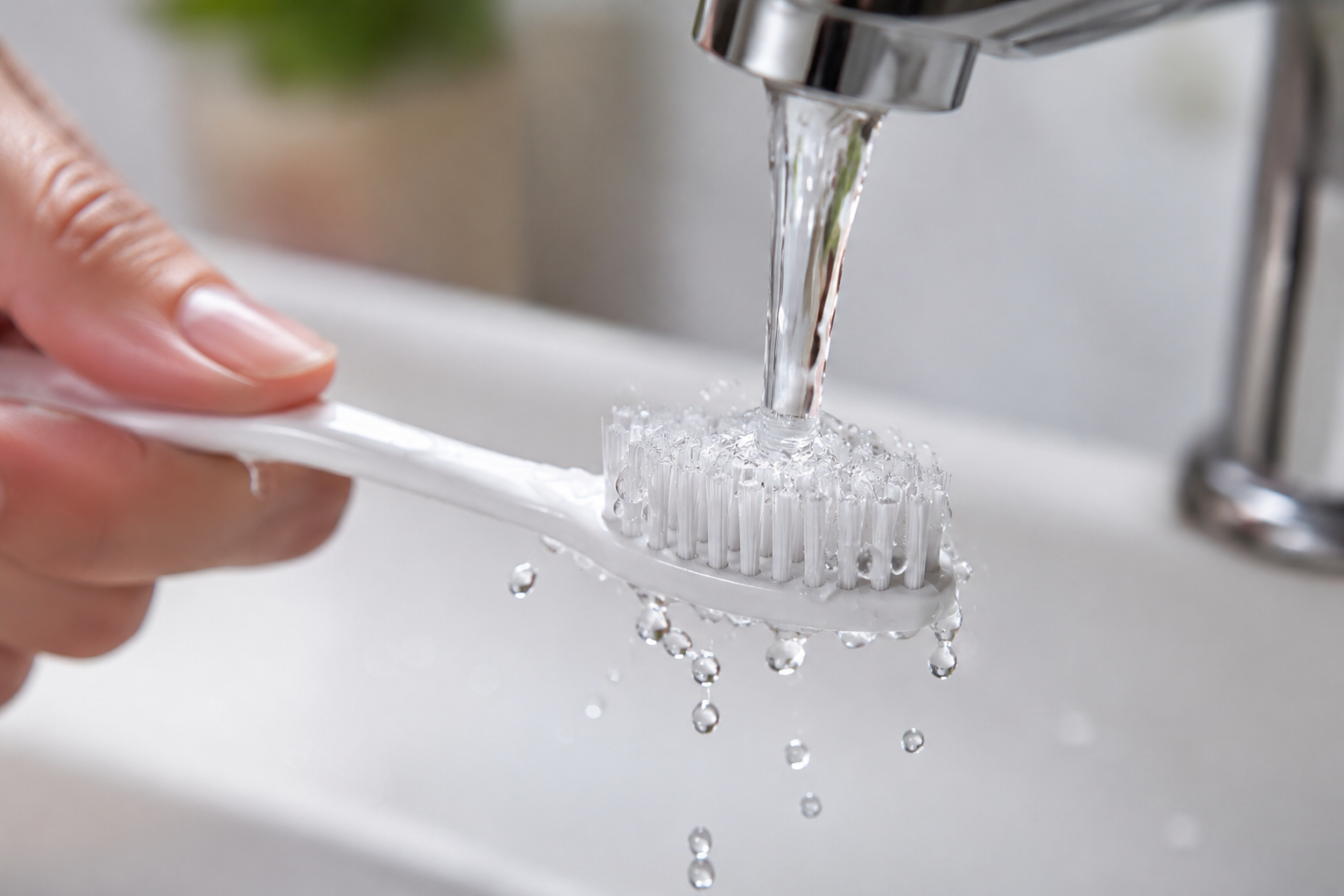
- اشطف الرأس واتركه يجف في الهواء بوضع مستقيم.
أخطاء شائعة يجب تجنبها
| افعل | لا تفعل |
|---|---|
| حرّك بلطف ودع الاهتزازات تقوم بالعمل | افرك كما لو كانت فرشاة أسنان يدوية |
| حافظ على ضغط خفيف—يجب أن تلامس الفرشاة الأسنان بالكاد | اضغط بشدة؛ فقد يؤدي ذلك إلى انحسار اللثة |
| استبدل الرأس كل 3 أشهر أو عندما تتباعد الشعيرات | استخدم شعيرات بالية تفقد فعاليتها |
| استخدم مؤقتًا لضمان دقيقتين كاملتين | تسرّع وتتجاهل بعض الأرباع |
عوامل يتم تجاهلها غالبًا عند اختيار أول فرشاة أسنان صوتية لك
- مستشعر الضغط: ينبهك عندما تنظف بقوة زائدة—أمر بالغ الأهمية لحماية اللثة.
- أوضاع التنظيف: أوضاع الحساسية والتبييض والعناية باللثة والتنظيف العميق تكيّف التجربة.
- البطارية والشحن: بطاريات ليثيوم أيون مع شحن USB أو قاعدة؛ بعض الفرش تعمل لأسابيع بشحنة واحدة.
- تكلفة رأس الفرشاة: الرؤوس البديلة هي مصروف مستمر—تحقق من التوافق والسعر.
- الميزات الذكية: اتصال Bluetooth، وتغذية راجعة فورية، وخرائط حرارية للتنظيف لتحفيزك.
- مستوى الضوضاء: عادةً ما تكون الفرش الصوتية أكثر هدوءًا من الموديلات الدوارة المتأرجحة، على الرغم من أنها تصدر همهمة مميزة.
- ختم قبول ADA: ابحث عن هذه العلامة للتحقق من السلامة والفعالية.
فهم حدود فرشاة الأسنان الصوتية: ما لا تستطيع فعله
فرشاة الأسنان الصوتية أداة قوية، لكنها لا تجعل استخدام خيط الأسنان غير ضروري. فهي لا تستطيع إزالة الجير (القلح) الملتصق بالفعل بالأسنان—فقط التنظيف الاحترافي يمكنه فعل ذلك. وإذا كانت التقنية سيئة (الضغط بشدة أو الاستعجال)، حتى الفرش الأكثر تقدمًا سيكون أداؤها ضعيفًا. كما يجد بعض المستخدمين الاهتزاز عالي التردد غير مريح في البداية، على الرغم من أن الأوضاع الحساسة تساعد. لحسن الحظ، يمكن للفرش المصممة للعناية اللطيفة باللثة—مثل RANVOO AirJet X5، التي تستخدم آلية تنظيف قائمة على الفقاعات وتتضمن وضعًا حساسًا—أن تسهل هذا التحول للأشخاص ذوي الفم الحساس.
الخلاصة: هل تستحق فرشاة الأسنان الصوتية ذلك؟
تمنحك فرشاة الأسنان الصوتية عاملين للتنظيف في آن واحد: التلامس المباشر للشعيرات بالإضافة إلى التنظيف الديناميكي للسوائل الذي يصل إلى المناطق التي يصعب الوصول إليها. وهي ذات قيمة خاصة إذا كانت لثتك حساسة، أو لديك تقويم أسنان، أو ببساطة تريد فرشاة يومية أقل كشطًا وأكثر كفاءة. بينما تظهر الأبحاث أن الموديلات الدوارة المتأرجحة قد تكون أفضل قليلاً في أعداد البلاك، فإن الاختلاف الحقيقي في العالم الحقيقي غالبًا ما يتعلق بالراحة والاستمرارية. أفضل فرشاة أسنان هي التي ستستخدمها بشكل صحيح لمدة دقيقتين مرتين يوميًا. إذا كانت الفرشاة الصوتية تناسبك وتتوافق مع عاداتك، فهي استثمار ممتاز في صحتك الفموية على المدى الطويل. للحصول على نصائح شخصية، تحدث مع طبيب أسنانك أو أخصائي صحة الفم.

اترك تعليقًا
This site is protected by hCaptcha and the hCaptcha Privacy Policy and Terms of Service apply.