
قد يكون الاهتزاز الطفيف في سن البالغ مرعبًا—لكنه ليس دائمًا حالة طارئة. غالبًا ما يأتي الارتخاء المؤقت من مرونة الأربطة الطبيعية، أو طحن الأسنان أثناء الليل، أو حتى الحمل، بينما قد يشير الاهتزاز المستمر إلى أمراض اللثة أو سوء الإطباق. يرشدك هذا الدليل خلال الفرق بين الحركة غير الضارة وما يتطلب عناية طبيب الأسنان، حتى تستطيع التنفس بسهولة واتخاذ الخطوة الصحيحة التالية.
عندما تشعر بأن سنك يتحرك: أولًا، لا داعي للذعر
الشعور بتحرك سن بالغ عند المضغ، أو لمسه بلسانك، أو عند الاستيقاظ في الصباح هو أمر مزعج للغاية. قد تتوقع فورًا الأسوأ—سنًا على وشك السقوط. لكن الواقع أكثر دقة. يعاني العديد من الأشخاص من ارتخاء قصير الأمد يزول من تلقاء نفسه، وحتى الحركة المستمرة يمكن علاجها بنجاح في كثير من الأحيان إذا تم اكتشافها مبكرًا.
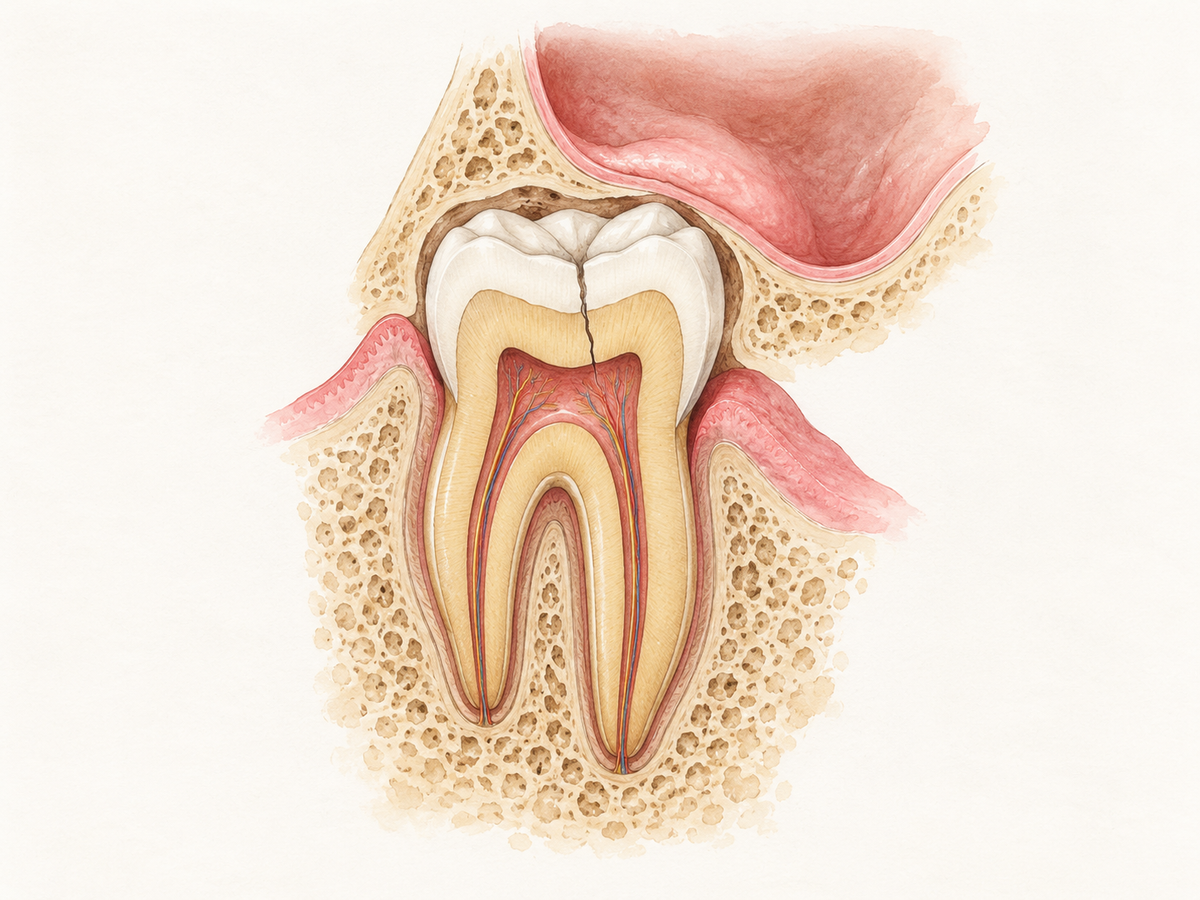
أسنانك ليست ملتحمة بشكل صارم بعظم الفك. إنها تبقى في مكانها بفضل شبكة من الألياف تشبه الأرجوحة تسمى الرباط الداعم للسن (PDL)يعمل هذا الرباط كممتص للصدمات، حيث يخفف الضغط الناتج عن العض والمضغ. ولأن الرباط الداعم مرن، فإن كل سن سليم يتحرك قليلًا—نوع من نظام التعليق المدمج. المفتاح هو تعلم فصل تلك "المرونة" الطبيعية عن عدم الاستقرار الحقيقي.
هل هذا طبيعي؟ اختبار "الضوء الأحمر"
جميع الأسنان لديها ما يسميه الأطباء حركة الأسنان الفسيولوجية—مستوى حركة غير مرئي تقريبًا وهو جزء من الوظيفة الطبيعية. تؤكد الأبحاث أن هذه الحركة الطبيعية عادة ما تكون أقل من 0.2 ملم، أي جزء من المليمتر بالكاد يمكنك إدراكه حتى عند الضغط على السن بقوة بأصابع نظيفة.
لتفقد أسنانك بنفسك، استخدم لمسة خفيفة جدًا. ضع إصبعًا بلطف على السطح الأمامي للسن وآخر على السطح الخلفي. حركه بنفس الضغط الذي تستخدمه لتحريك مفتاح فضفاض على لوحة المفاتيح. إذا شعرت فقط بوسادة مرنة خفيفة—بدون إزاحة مرئية—فهذه حركة فسيولوجية، وهي علامة على رباط داعم سليم.
لا تقلق إلا عندما تستطيع رؤية السن يتحرك، أو عندما تشعر أنه ينزاح جانبيًا أو ينخفض للأسفل، أو عندما يكون الإحساس جديدًا ومستمرًا وليس شيئًا تحتاج إلى البحث عنه. هذه هي الإشارة للتحقيق أكثر.
أسباب غير ضارة قد تجعل أسنانك تشعر بالارتخاء
غالبًا، الشعور المؤقت بالارتخاء هو رد فعل طبيعي للجسم تجاه تغيير حديث. هذه الحالات تزول دائمًا تقريبًا من تلقاء نفسها ولا تشير إلى ضرر دائم.
- عمل الأسنان الحديث: بعد التنظيف العميق، أو حشو جديد، أو تاج، قد يكون الرباط الداعم واللثة المحيطة ملتهبين بشكل خفيف. قد يستغرق الأمر بضعة أيام حتى يعود الرباط إلى شدته الطبيعية.
- علاج تقويم الأسنان: سواء كنت ترتدي تقويمًا معدنيًا أو شفافًا، حركة الأسنان التقويمية تعتمد على ضغط محكوم يعيد تشكيل الرباط الداعم وعظم الفك. من المفترض أن تشعر الأسنان ببعض الاهتزاز أثناء العلاج—هكذا تنتقل إلى مواقعها الجديدة.
- التغيرات الهرمونية: الحمل وانقطاع الطمث يجلبان تغيرات هرمونية يمكن أن تزيد من تدفق الدم إلى اللثة وتريح الرباط الداعم قليلًا. هذا يمكن أن ينتج إحساسًا عابرًا بالارتخاء، غالبًا ما يكون مصحوبًا بانتفاخ خفيف في اللثة. يزول هذا بمجرد استقرار مستويات الهرمونات.
- ليلة من الطحن الشديد: إذا كان لديك يوم شديد التوتر أو نمت في وضع غير مريح، فقد تستيقظ بواحد أو اثنين من الأسنان التي تشعر بأنها أطول أو متحركة بشكل غريب. هذا عادة ما يكون إجهادًا عضليًا وإجهادًا مؤقتًا للرباط، ويختفي بحلول فترة ما بعد الظهر.
كل سيناريو من هذه السيناريوهات يثبت أن الإحساس بالارتخاء لا يعني تلقائيًا أن السن في خطر. ومع ذلك، عندما يستمر الارتخاء لأكثر من بضعة أيام أو يزداد سوءًا، غالبًا ما تكون هناك مشكلة أعمق.
السبب الخفي: أمراض اللثة وفقدان العظام
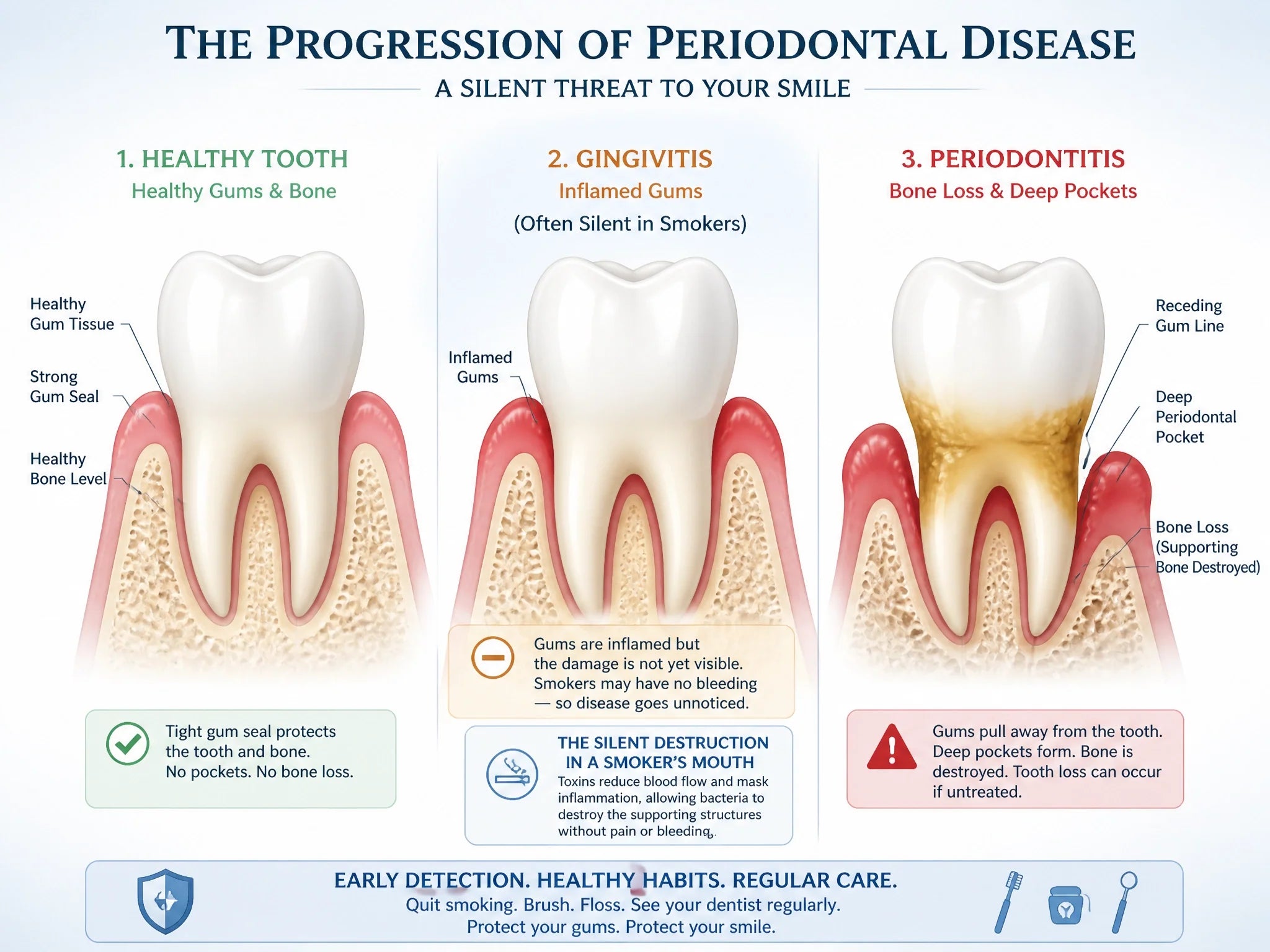
السبب الأكثر شيوعًا لشعور سن البالغ بخلع مزمن—وغالبًا ما لا يُلاحظ لأنه لا يسبب ألمًا—هو مرض اللثة. تبدأ هذه العدوى البكتيرية بالتهاب اللثة (لثة حمراء ونازفة)، وإذا تُركت دون علاج، تتطور إلى التهاب دواعم السن، حيث تنفصل الطبقة الداخلية من اللثة والعظام عن الأسنان، مكونة جيوبًا مصابة. بمرور الوقت، يدمر استجابة الجسم الالتهابية والبكتيريا الرباط الداعم للسن و فقدان العظم السنخي الذي يثبت جذورك.
هذا التدمير يترجم مباشرة إلى زيادة حركة الأسنان. وجدت مراجعة عالمية كبيرة أن حوالي 62% من البالغين الذين لديهم أسنان مصابون بشكل ما من التهاب دواعم السن، مما يجعله حالة منتشرة وصامتة في كثير من الأحيان. يتقدم المرض عادةً دون ألم، لذا فإن الشعور بخلع طفيف في السن يمكن أن يكون أول تنبيه لك بأن العظم الداعم يترقق. اكتشافه في هذه المرحلة—قبل حدوث حركة شديدة—يمكن أن يمنع فقدان الأسنان بعلاجات غير جراحية مثل تنظيف الجذور وتنعيمها.
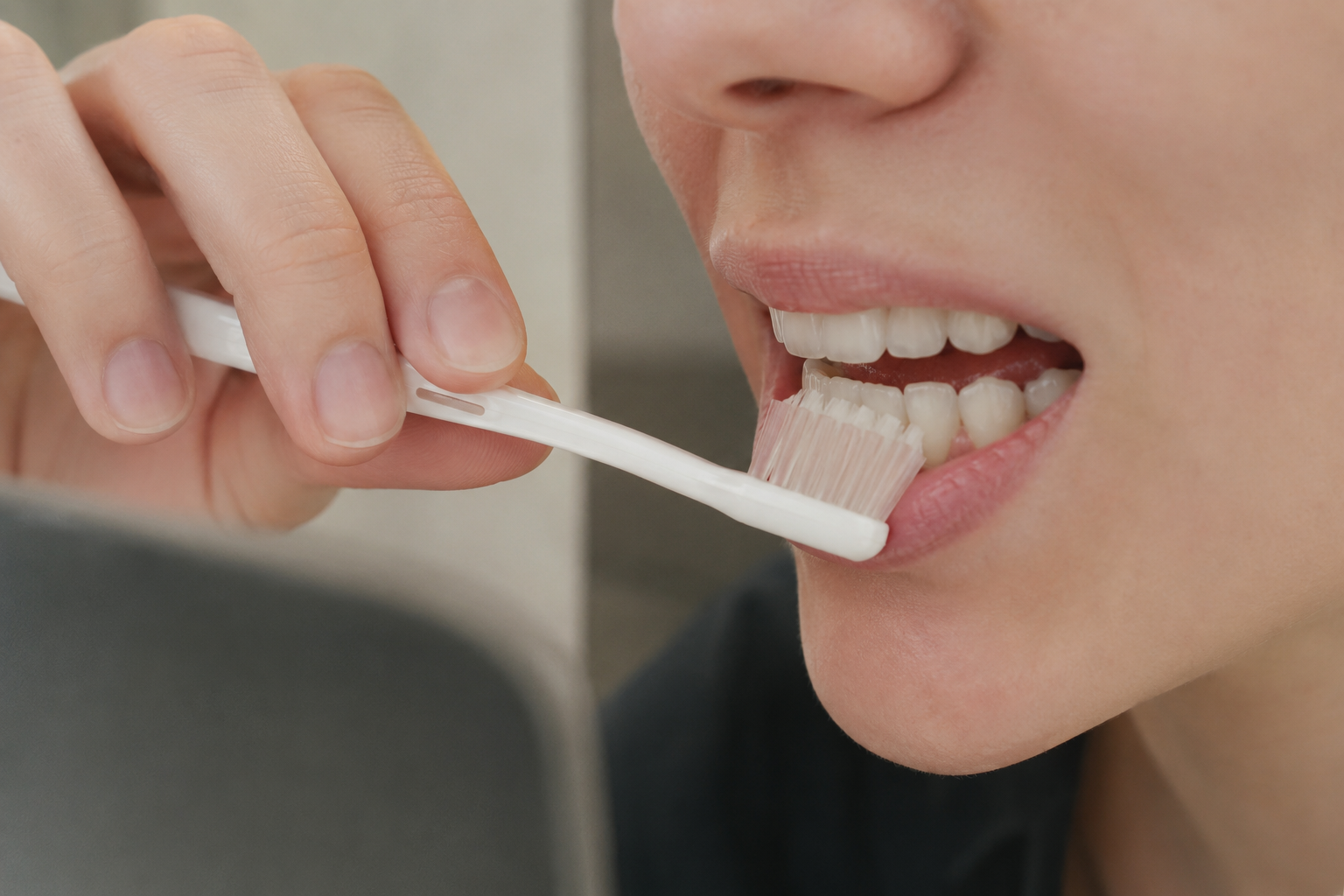
نظرًا لأن السبب الجذري هو البلاك البكتيري، فإن الإزالة اليومية الفعالة واللطيفة هي حجر الأساس لوقف المزيد من تلف العظام. التحول إلى فرشاة أسنان كهربائية يمكن أن يكون تغييرًا جذريًا—فإنها مثبتة لإزالة البلاك أكثر من الفرشاة اليدوية مع كونها لطيفة على اللثة الحساسة والمصابة.
الصدمات والالتهابات وعادة طحن الأسنان التي لم تكن تعلم أنك تمتلكها
يمكن أن تضرب المحفزات الحادة دون سابق إنذار.
- صدمة الأسنان: ضربة مباشرة على الفم—من سقوط أو اصطدام رياضي أو حتى عض غير متوقع على جسم صلب—يمكن أن تكدم الرباط الداعم للسن أو تزحزح السن قليلاً في مكانه (خلع جزئي). هذا النوع من الخلع يحدث فجأة وغالبًا ما يكون مصحوبًا بألم أو سن يبدو أعلى عند العض.
- خراج الأسنان أو العدوى: يمكن أن يسبب تسوس عميق أو عصب ميت عدوى عند طرف الجذر، مما يبني ضغطًا في العظم ويجعل السن يبدو مندفعًا وخلعًا. من المحتمل أن يكون السن حساسًا للنقر.
- صرير الأسنان (طحن الأسنان): كثير من الناس يضغطون أو يطحنون أثناء النوم دون أن يعرفوا ذلك. يضع صرير الأسنان قوى هائلة من جانب إلى جانب ومن الأمام إلى الخلف على الأسنان، أكثر بكثير من أحمال المضغ العادية. على مدار أسابيع وأشهر، يمكن أن يوسع مساحة الرباط الداعم ويجعل الأسنان تشعر بخلع ملحوظ، خاصة في الصباح. نمط كلاسيكي مرتبط بصرير الأسنان: تستيقظ، وتفكر "هذه السن تتحرك"، وبحلول منتصف النهار تشعر أنها شبه مستقرة مرة أخرى. إذا كان هذا مألوفًا، يمكن أن يحمي واقي ليلي مخصص أربطتك من الحمل الزائد في الليل.
متى تطلب رعاية الطوارئ: قائمة مرجعية سريعة
معظم حالات حركة الأسنان ليست حالات طوارئ فورية، لكن بعض العلامات الحمراء تعني أنه يجب عليك التقاط الهاتف على الفور. إذا واجهت أيًا مما يلي، اتصل بطبيب أسنانك على الفور:
- سن منزاح بشكل مرئي أو متدلي أقل من جيرانه
- نزيف حاد لا يتوقف مع الضغط اللطيف
- صديد أو طعم كريه يتسرب من خط اللثة
- ألم شديد ونابض يوقظك في الليل
- سن يتحرك عموديًا (يغرق عند العض)
- خلع مفاجئ بعد ضربة على الوجه أو الفك
تشير هذه الأعراض إلى عدوى حادة أو كسر أو صدمة أسنان التي تتطلب تقييماً فورياً. حتى لو شعرت بالإحراج أو القلق بشأن التشخيص، فإن أطباء الأسنان يرون هذه الحالات بانتظام ويتعاملون معها بتعاطف وحلول مباشرة.
ماذا يحدث عند طبيب الأسنان: لا حكم، فقط حلول
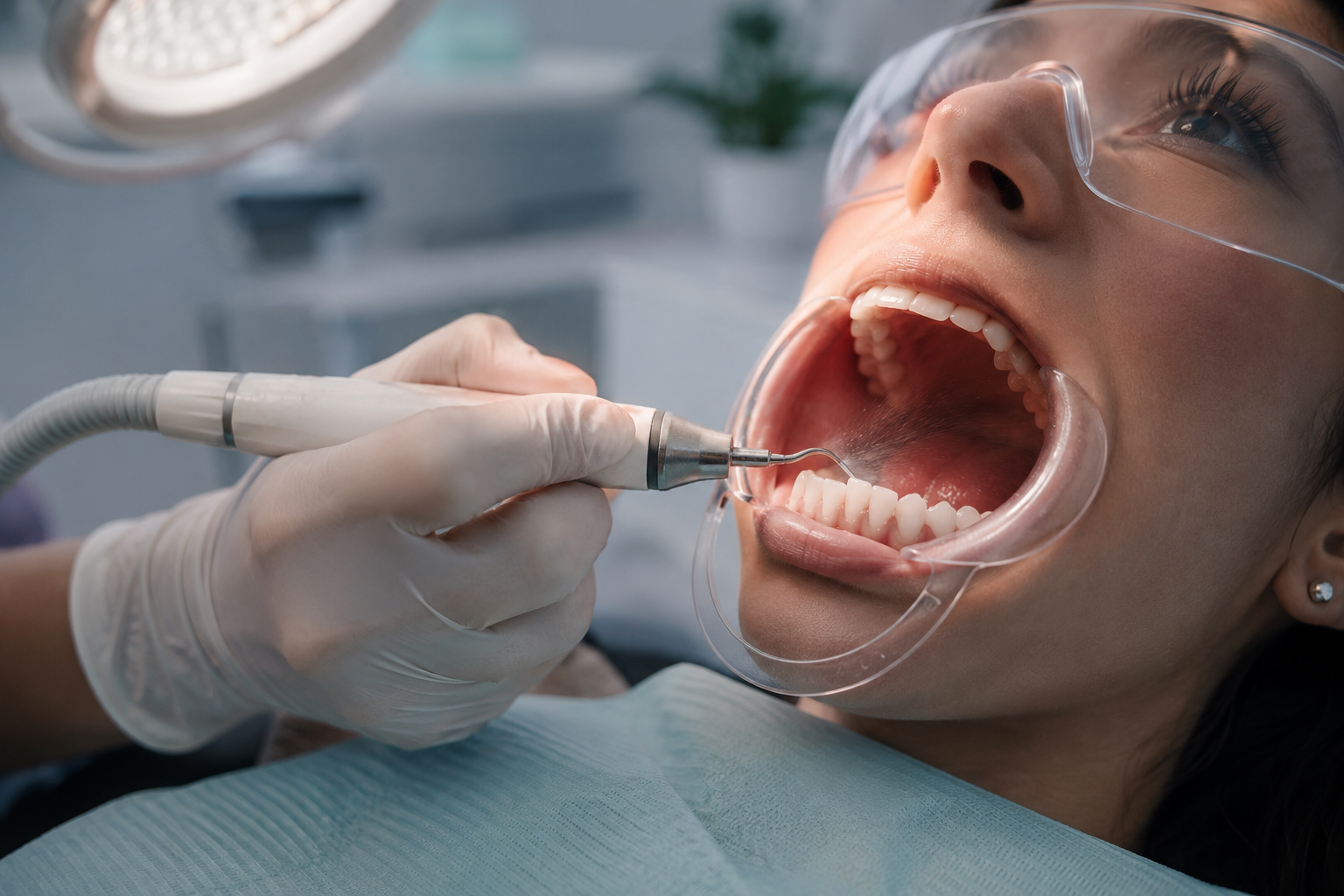
عندما تحجز موعداً لفحص سن يشعر بالارتخاء، يكون التقييم أبسط وأقل إخافة مما يتخيله معظم الناس.
أولاً، سيسألك الطبيب متى لاحظت الحركة لأول مرة وما إذا كان هناك ما يخففها أو يزيدها سوءاً. ثم سيجري فحصاً لطيفاً للحركة باستخدام ظهر أداتين لهز السن بلطف. هذا الفحص حول السني يقيس مقدار الحركة الأفقية والرأسية الموجودة—غالباً ما يتم تصنيفها وفقاً لتصنيف ميلر (الدرجة 0 = صلابة طبيعية حتى الدرجة 3 = قابل للانضغاط).
من المحتمل أن تحتاج إلى أشعة سينية صغيرة، مثل صورة حول القمية، لرؤية مستوى العظم حول الجذر والتحقق من وجود عدوى أو كسور أو علامات ارتشاف الجذر. إذا بدا أن عضتك غير متوازنة، فقد يتحسس الطبيب أيضاً الاهتزاز—وهو اهتزاز يصدره السن عند طحن أسنانك معاً—ويستخدم ورق تحديد للتحقق من النقاط المرتفعة.
بناءً على النتائج، قد يكون العلاج بسيطاً مثل تعديل العضة (طحن انتقائي) أو واقي ليلي لصرير الأسنان. إذا كان التهاب دواعم السن هو سبب الارتخاء، فقد يُنصح بتنظيف عميق، وفي بعض الحالات، تثبيت دواعم السن (ربط السن المرتخي بالأسنان المجاورة المستقرة) للحفاظ على راحة السن ووظيفته. لا تعد هذه الإجراءات نادرة أو مخيفة؛ بل هي أدوات روتينية يستخدمها أطباء الأسنان كل أسبوع.
عناية منزلية لطيفة أثناء الانتظار
إذا لم تتمكن من الوصول إلى طبيب الأسنان لبضعة أيام، فإن بعض العادات البسيطة ستدعم سنك وتقلل من الانزعاج إلى الحد الأدنى.
- التزم بالأطعمة اللينة: الزبادي، البيض المخفوق، الحساء، والخضروات المطهوة على البخار تقلل من القوى المعطلة على السن. تجنب الخبز المقرمش، المكسرات الصلبة، والحلوى المطاطية.
- اتركه وشأنه: يمكن أن يؤدي التحريك المستمر بلسانك أو أصابعك إلى تفاقم الالتهاب. حاول إبعاد لسانك عن السن والمضغ على الجانب المقابل.
- اشطف بماء دافئ وملح: نصف ملعقة صغيرة من الملح مذابة في كوب من الماء الدافئ يزيل بقايا الطعام ويهدئ اللثة المتهيجة. ابصق بلطف—لا تتمضمض بقوة.
- نظف بلطف ولكن بدقة: إذا كان الإحساس يجعلك متوتراً بشأن تنظيف الأسنان بالفرشاة، ففكر في فرشاة أسنان كهربائية منخفضة التردد، التي تنظف بفعالية دون الحاجة إلى فرك قوي. حركات دائرية لطيفة هي كل ما تحتاجه للحفاظ على المنطقة خالية من البلاك أثناء انتظارك.
لا تعالج هذه الخطوات السبب الأساسي، لكنها تخلق بيئة هادئة تمنع الإصابة العرضية وتعطي طبيب الأسنان صورة أوضح عن الحالة الطبيعية للسن عند وصولك.



اترك تعليقًا
This site is protected by hCaptcha and the hCaptcha Privacy Policy and Terms of Service apply.